Clear Aligner Treatment as a Precision Orthodontic System
We define a clear aligner as a digitally engineered orthodontic appliance designed to move teeth through controlled, sequential force application. Clear aligners are not generic plastic trays; they are custom-manufactured medical devices produced through a highly structured digital workflow. Every aligner in the sequence serves a specific biomechanical purpose, guiding teeth toward their planned positions while maintaining comfort, aesthetics, and functional balance.
Clear aligner treatment represents the convergence of orthodontic science, digital planning, and material engineering.
What Is a Clear Aligner?
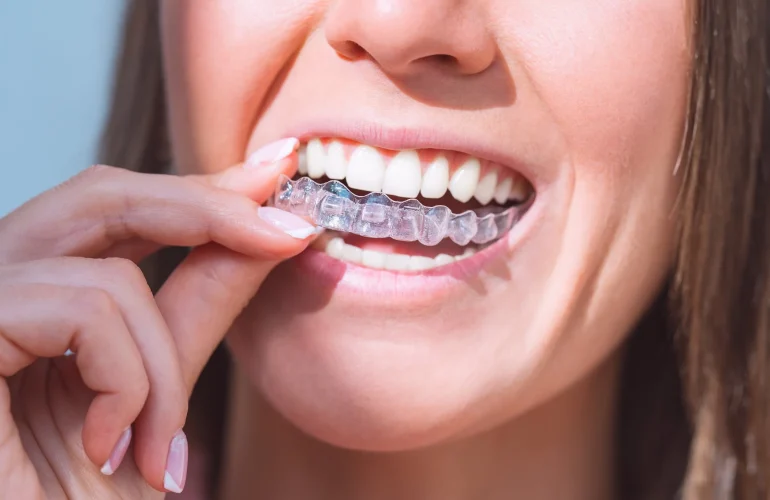
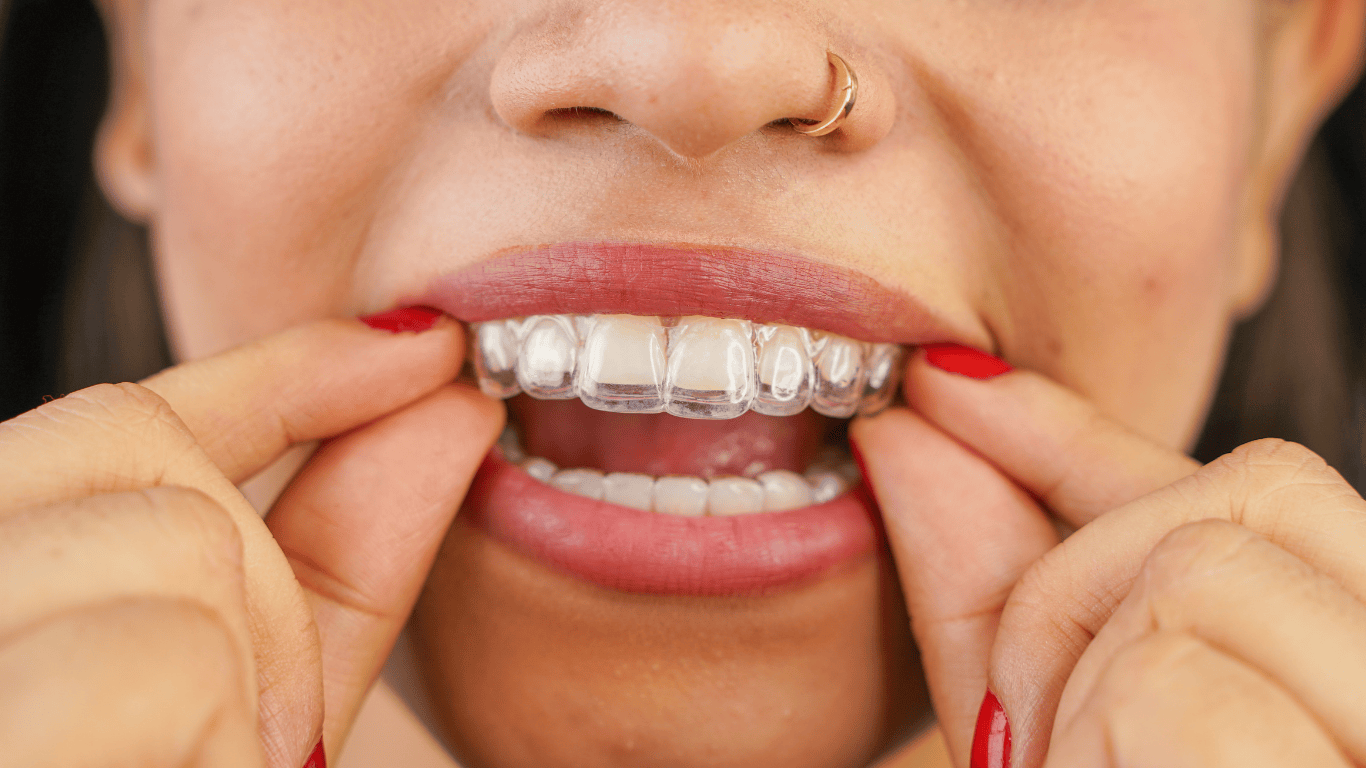
A clear aligner is a transparent, removable orthodontic appliance made from medical-grade thermoplastic material. It is designed to fit precisely over the teeth and apply calibrated forces that move teeth incrementally.
Clear aligners are used to correct:
Crowding
Spacing
Tooth rotation
Overbite and underbite
Crossbite
Open bite
Relapse after previous orthodontic treatment
Each aligner moves teeth by a fraction of a millimeter. The cumulative effect of multiple aligners produces full orthodontic correction.
Core Characteristics of Clear Aligners
Clear aligners are defined by several technical characteristics:
Custom fit based on individual dental anatomy
Transparent structure for discreet wear
Removable design for hygiene and comfort
Sequential force delivery for controlled tooth movement
They are designed to work as a system, not as standalone devices.
How Clear Aligners Work
Clear aligners work by applying gentle, continuous pressure to specific teeth. Each aligner is slightly different from the previous one, creating a planned progression of movement.
Key principles include:
Force magnitude control
Directional movement planning
Root alignment management
Bite relationship correction
Teeth respond biologically to this controlled pressure by remodeling the surrounding bone structure.
Step-by-Step Clear Aligner Manufacturing Process
Step 1: Comprehensive Orthodontic Assessment
The clear aligner process begins with a full orthodontic evaluation. This stage determines:
Tooth alignment status
Bite relationships
Jaw coordination
Periodontal health
Only cases suitable for aligner-based correction proceed to digital planning.
Step 2: Digital Intraoral Scanning
Traditional impressions are replaced by high-resolution digital intraoral scans. These scans capture:
Tooth shape and position
Gum contours
Occlusal relationships
The result is a precise three-dimensional digital model of the mouth.
Step 3: Digital Treatment Planning
Using specialized orthodontic software, a complete digital treatment simulation is created.
This plan defines:
Initial tooth positions
Final target positions
Intermediate movement stages
Number of aligners required
Every tooth movement is planned before manufacturing begins.
Step 4: Biomechanical Optimization
At this stage, orthodontic biomechanics are refined. The plan ensures:
Safe force levels
Controlled rotation and tipping
Root alignment within bone limits
Balanced bite correction
This step prevents biological overload and treatment instability.
Step 5: Aligner Sequence Design
Once the digital plan is finalized, the aligner sequence is divided into individual stages. Each aligner represents one step in the movement chain.
The sequence determines:
Aligner change frequency
Total treatment duration
Need for attachments or refinements
Precision at this stage defines overall success.
Step 6: Aligner Manufacturing
Clear aligners are manufactured using advanced thermoforming or 3D printing-assisted processes.
The process includes:
Creating physical models for each stage
Forming medical-grade thermoplastic sheets over models
Laser trimming for exact margins
Quality control checks for fit and thickness
Each aligner is individually inspected before delivery.
Materials Used in Clear Aligners
Clear aligners are made from multi-layer thermoplastic polymers engineered for orthodontic use.
Material properties include:
High elasticity
Shape memory
Transparency
Biocompatibility
These materials deliver consistent force while maintaining comfort and durability.
Attachments and Auxiliary Features
Some clear aligner treatments require tooth-colored attachments bonded to teeth.
Attachments enhance:
Rotational control
Vertical movements
Root torque
Aligner retention
They are temporary and removed at the end of treatment.
Clear Aligner Wearing Protocol
Clear aligners must be worn 20–22 hours per day. Each aligner is typically worn for 7 to 14 days, depending on the treatment plan.
Consistent wear ensures:
Planned tooth movement
Treatment efficiency
Predictable outcomes
Non-compliance disrupts the entire movement sequence.
Hygiene and Maintenance of Clear Aligners
Clear aligners support superior oral hygiene compared to fixed braces.
Proper care includes:
Cleaning aligners daily with non-abrasive solutions
Avoiding heat exposure
Removing aligners during meals
Storing aligners in protective cases
Clean aligners preserve both oral health and transparency.
Comfort and Adaptation Period
Mild pressure is expected when starting a new aligner. This pressure indicates active tooth movement.
Clear aligners are designed to:
Minimize soft tissue irritation
Reduce emergency visits
Adapt quickly to speech patterns
Most patients adapt within days.
Clear Aligners and Bite Correction
Clear aligner treatment addresses not only tooth alignment but also occlusal relationships.
Through staged movements, aligners:
Balance bite forces
Improve chewing efficiency
Reduce uneven tooth wear
Functional correction is integrated into the alignment process.
Treatment Duration with Clear Aligners
Treatment duration varies based on:
Case complexity
Number of aligners
Biological response
Compliance level
Average treatment time ranges from 6 to 18 months, including refinement stages.
Retention After Clear Aligner Treatment
Once active treatment ends, retention is mandatory.
Retention protocols include:
Clear retainers
Night-time wear schedules
Long-term monitoring
Retention preserves results and prevents relapse.
Clear Aligners as a Modern Orthodontic Solution
Clear aligners represent a digitally controlled orthodontic system that combines precision engineering with patient-centered design. When manufactured and executed correctly, they deliver predictable alignment, functional stability, and aesthetic discretion.
Clear aligner treatment is not improvised orthodontics. It is planned, staged, and executed with medical discipline.