

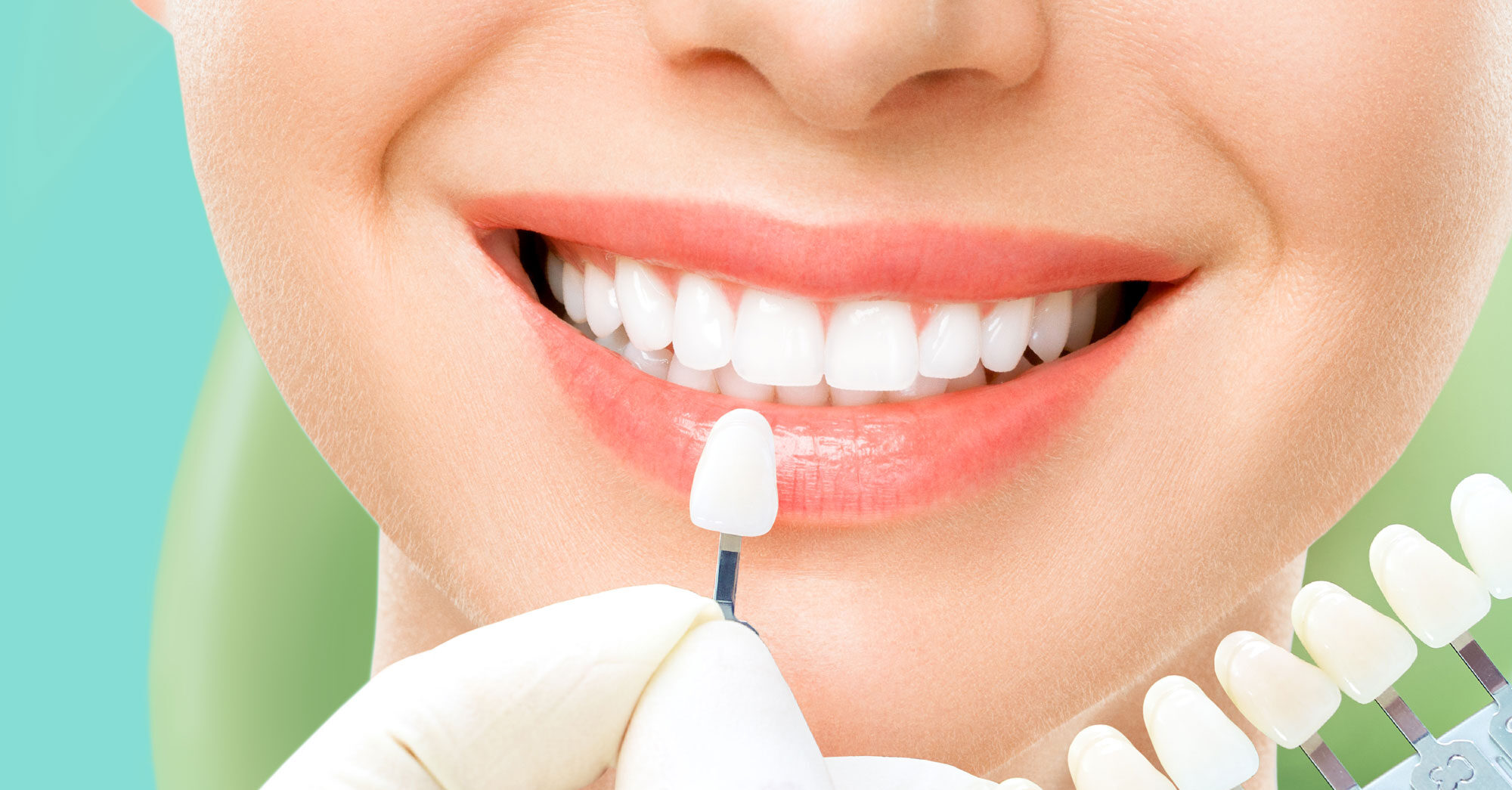
Advanced Dental Prosthetics for Functional and Aesthetic Restoration
We deliver dental prosthetics with a clinically structured approach focused on functional integrity, biomechanical balance, and natural aesthetics. Dental prosthetic treatment is a precise medical discipline that restores missing or damaged teeth while preserving oral harmony, chewing efficiency, speech clarity, and facial structure. Every prosthetic solution must integrate seamlessly with the patient’s bite, jaw joints, and surrounding tissues.
Dental prosthetics is not surface-level restoration. It is full oral system rehabilitation executed with accuracy and long-term stability in mind.
Definition and Scope of Dental Prosthetics
Dental prosthetics encompasses the design, fabrication, and placement of artificial dental restorations that replace missing teeth or restore severely damaged dentition. These restorations are engineered to replicate the function, shape, strength, and appearance of natural teeth.
Comprehensive prosthetic care addresses:
Tooth loss
Structural tooth damage
Occlusal instability
Aesthetic deficiencies
Functional chewing limitations
Each case requires individualized assessment and prosthetic planning.
Types of Dental Prosthetic Solutions
Fixed Dental Prosthetics
Fixed dental prosthetics are permanently placed restorations that provide maximum stability and natural function.
Dental Crowns
Dental crowns restore teeth compromised by decay, fracture, or extensive wear. Properly designed crowns:
Rebuild tooth structure
Restore bite force distribution
Protect remaining tooth tissue
Crown materials are selected based on functional load and aesthetic demand, ensuring durability without visual compromise.
Dental Bridges
Dental bridges replace one or more missing teeth by anchoring to adjacent teeth or implants. A well-designed bridge:
Restores chewing efficiency
Maintains tooth alignment
Prevents bite collapse
Incorrect bridge planning leads to secondary tooth damage. Precision is mandatory.
Implant-Supported Dental Prosthetics
Implant-supported prosthetics represent the highest standard in tooth replacement.
Single Implant Prosthetics
A single dental implant replaces an individual missing tooth without compromising neighboring teeth. Implant crowns preserve:
Jawbone volume
Natural bite mechanics
Long-term stability
Full-Arch Implant Prosthetics
For extensive tooth loss, implant-supported full-arch prosthetics offer:
Fixed hybrid restorations
Full chewing functionality
Facial support restoration
These solutions eliminate instability associated with traditional dentures.
Removable Dental Prosthetics
Removable prosthetics remain clinically relevant when designed correctly.
Partial Dentures
Partial dentures replace multiple missing teeth while utilizing remaining dentition for support. They are designed to:
Distribute chewing forces evenly
Maintain alignment
Preserve oral comfort
Complete Dentures
Complete dentures restore full arches in edentulous patients. Successful complete dentures require:
Precise impression techniques
Balanced occlusion
Muscular coordination
Proper design prevents discomfort and instability.
Materials Used in Dental Prosthetics
Material selection determines both function and longevity.
Common prosthetic materials include:
Zirconia ceramics for strength and aesthetics
Lithium disilicate ceramics for translucency
Titanium frameworks for implant prosthetics
High-density acrylics for removable dentures
Each material is chosen based on biocompatibility, load-bearing capacity, and visual integration.
Digital Technology in Modern Dental Prosthetics
Advanced dental prosthetics rely on digital precision.
Our prosthetic workflow includes:
Digital intraoral scanning
Three-dimensional occlusal analysis
CAD/CAM prosthetic design
Computer-guided milling
Predictive outcome simulation
This technology ensures exact fit, reduces human error, and enhances patient comfort.
Occlusion and Functional Balance in Dental Prosthetics
Dental prosthetics must function within the occlusal system. Improper bite alignment causes:
Jaw joint strain
Headaches
Uneven tooth wear
Prosthetic failure
We design prosthetics that maintain functional harmony between teeth, muscles, and joints.
Aesthetic Integration in Dental Prosthetics
True aesthetic success lies in natural replication, not artificial perfection.
We analyze:
Tooth proportions
Color gradients
Light reflection
Smile line dynamics
Facial symmetry
Prosthetic restorations are crafted to blend seamlessly with surrounding dentition and facial features.
Dental Prosthetics and Jaw Joint Health
Every prosthetic intervention impacts the temporomandibular joints. Proper planning protects:
Joint alignment
Muscular coordination
Long-term comfort
Neglecting joint considerations results in chronic discomfort and functional limitations.
Indications for Dental Prosthetic Treatment
Dental prosthetics are indicated for patients experiencing:
Tooth loss
Severe enamel wear
Structural tooth fractures
Congenital tooth absence
Failed previous restorations
Early intervention preserves oral structures and expands treatment options.
Longevity and Maintenance of Dental Prosthetics
Well-designed dental prosthetics offer extended service life:
Crowns: 10–15 years
Implant prosthetics: 15–25 years
Removable prosthetics: 5–10 years
Longevity depends on:
Accurate planning
Material quality
Oral hygiene
Routine professional monitoring
Maintenance is integral to success.
Patient-Centered Prosthetic Planning
Each dental prosthetic case begins with:
Detailed clinical examination
Radiographic analysis
Occlusal assessment
Functional diagnostics
This ensures prosthetics are customized, not standardized.
Dental Prosthetics as a Medical Reconstruction Discipline
Dental prosthetics is not cosmetic repair. It is functional reconstruction of the oral system, requiring precision, experience, and disciplined execution. Properly planned prosthetic treatment restores health, confidence, and quality of life.
We approach dental prosthetics with clinical rigor and long-term vision.


