

İçindekiler
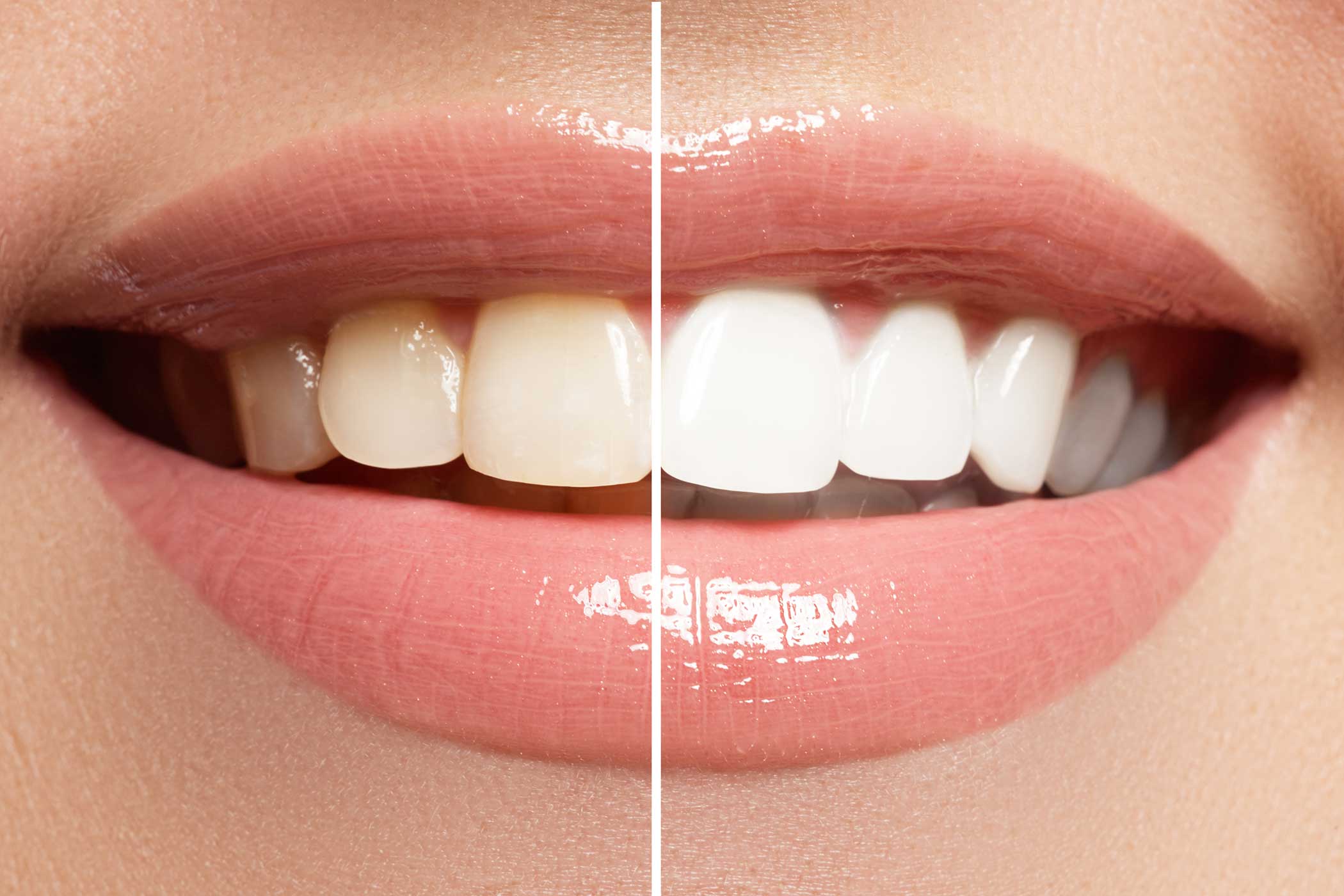
Teeth whitening is one of the most sought-after cosmetic dental procedures, delivering a brighter, more confident smile. However, achieving lasting results requires meticulous post-whitening care. At our clinics, we emphasize structured follow-up routines and lifestyle adjustments to preserve enamel integrity, minimize sensitivity, and maintain optimal whiteness over time. Proper care after whitening not only extends the effectiveness of the treatment but also safeguards dental health.
Understanding Tooth Sensitivity Post-Whitening
One of the most common concerns after teeth whitening is temporary tooth sensitivity. This occurs because whitening agents, typically hydrogen peroxide or carbamide peroxide, penetrate the enamel and temporarily increase dentin permeability.
Key Considerations for Sensitivity Management
Use desensitizing toothpaste containing potassium nitrate or fluoride to soothe nerve endings.
Avoid extreme temperatures in food and beverages for the first 48–72 hours.
Limit consumption of acidic foods such as citrus fruits, tomatoes, and carbonated drinks, which can exacerbate sensitivity.
Schedule shorter whitening sessions in the future if repeated treatments are necessary.
Consistent sensitivity management ensures patient comfort and prevents long-term enamel stress.
Dietary Adjustments After Whitening
Maintaining a bright smile requires vigilance regarding dietary habits immediately after whitening:
Foods and Beverages to Avoid
Highly pigmented foods and drinks, including coffee, black tea, red wine, soy sauce, curry, and berries, which can cause staining and discoloration.
Acidic beverages like citrus juices and soda that weaken enamel and make teeth more susceptible to staining.
Tobacco products, including cigarettes and chewing tobacco, which are potent contributors to tooth discoloration.
Recommended Post-Whitening Diet
Water and clear liquids to hydrate and rinse staining agents from enamel.
Dairy products such as milk and cheese, which contain calcium and phosphate to strengthen enamel.
Crunchy vegetables and fruits, like apples and carrots, which help naturally clean teeth while stimulating saliva production.
Following dietary guidance prevents early relapse in tooth color and supports enamel health.
Oral Hygiene Practices to Prolong Whitening Results
Proper oral hygiene is essential for sustaining post-whitening results and preventing secondary staining or enamel erosion:
Brushing and Flossing Techniques
Use a soft-bristled toothbrush to avoid micro-abrasions on freshly whitened teeth.
Apply a non-abrasive whitening toothpaste sparingly to maintain brightness without irritating enamel.
Floss daily to remove plaque and prevent discoloration between teeth.
Mouth Rinses and Protective Measures
Fluoride mouthwashes strengthen enamel and reduce sensitivity.
Alcohol-free rinses are preferred to avoid irritation or dehydration of oral tissues.
Regular professional cleanings every six months prevent staining and prolong whitening effects.
Timing of Subsequent Treatments
Maintaining optimal results may require periodic touch-ups. Timing is crucial to prevent overexposure to whitening agents:
Wait at least six months before repeating professional whitening treatments.
Take-home trays can be used for gradual maintenance under professional guidance.
Monitor for signs of over-sensitivity or enamel weakening before additional treatments.
Adhering to recommended intervals ensures effective and safe whitening.
Lifestyle Factors Impacting Whitening Longevity
Beyond diet and oral hygiene, several lifestyle elements influence how long whitening results last:
Smoking cessation dramatically reduces the risk of recurrent discoloration.
Stress management is indirectly beneficial, as clenching or grinding (bruxism) can wear enamel and expose dentin, making teeth more prone to staining.
Hydration and saliva production are vital for naturally cleansing teeth and maintaining enamel integrity.
Awareness of these lifestyle factors contributes to long-term maintenance of a radiant smile.
Managing Post-Whitening Discomfort
While most patients experience minimal discomfort, some may notice gum irritation or mild inflammation following whitening:
Avoid brushing immediately after whitening; wait 30–60 minutes to prevent aggravation.
Use gel-based desensitizers or fluoride varnishes recommended by dental professionals.
Apply soft-tissue protection if sensitivity is localized to gums.
Early management of post-whitening discomfort ensures a positive patient experience and encourages adherence to follow-up care.
Monitoring for Signs of Overuse or Damage
Excessive or unsupervised whitening can compromise enamel health and lead to long-term complications:
Look for translucent edges, rough surfaces, or increased sensitivity as indicators of enamel stress.
Avoid over-the-counter whitening products that exceed recommended concentrations.
Consult a dental professional promptly if discoloration or sensitivity worsens.
Proactive monitoring prevents irreversible dental damage and optimizes treatment safety.
Professional Follow-Up and Maintenance Programs
We recommend structured follow-up schedules for all whitening patients:
Initial check-up 2–4 weeks after treatment to evaluate results and sensitivity.
Semi-annual dental visits to monitor color stability and enamel condition.
Personalized maintenance plans including at-home care, protective trays, and professional touch-ups.
Regular professional supervision maximizes the longevity of whitening outcomes while safeguarding oral health.
Psychological and Aesthetic Considerations
A bright smile can significantly influence self-confidence and social interactions. Maintaining results is not just cosmetic but also psychologically beneficial:
Encourage patients to track whitening progress and note dietary or lifestyle impacts.
Highlight positive reinforcement strategies to ensure adherence to care instructions.
Educate patients on realistic expectations, emphasizing that whitening is a process requiring continuous maintenance.
Integrating psychological support into post-whitening care enhances patient satisfaction and long-term adherence.
Teeth whitening offers dramatic aesthetic improvements, but its longevity relies on careful post-treatment management. By adhering to sensitivity protocols, dietary adjustments, oral hygiene routines, lifestyle considerations, and professional follow-ups, patients can preserve their bright smiles and protect enamel integrity. Structured, personalized care transforms whitening from a temporary cosmetic enhancement into a lasting, confident, and healthy smile solution.

