İçindekiler
Bruxism, commonly known as teeth grinding or clenching, is a prevalent dental disorder that affects millions of individuals worldwide. It can occur during sleep (sleep bruxism) or while awake (awake bruxism), often causing significant tooth wear, jaw pain, headaches, and temporomandibular joint (TMJ) disorders. In our clinics, we address bruxism with a comprehensive diagnostic approach, targeting the underlying causes and implementing advanced treatment strategies to protect dental health and restore comfort.
Unchecked bruxism can lead to enamel erosion, tooth fractures, gum recession, and chronic facial pain, making early identification and intervention critical for long-term oral health.
Primary Causes of Bruxism
1. Stress and Anxiety
Psychological stress is one of the most common triggers of bruxism.
Patients under high tension or experiencing anxiety disorders frequently clench or grind their teeth unconsciously, particularly during sleep.
Chronic stress leads to hyperactivity of jaw muscles, increasing the risk of enamel wear and TMJ discomfort.
2. Abnormal Bite and Dental Misalignment
Malocclusion, or improper alignment of teeth, can create uneven contact points.
This misalignment triggers compensatory jaw movements, resulting in repetitive grinding.
Untreated bite irregularities exacerbate enamel erosion and increase susceptibility to tooth fractures.
3. Sleep Disorders
Conditions such as sleep apnea, snoring, and insomnia are strongly associated with nocturnal bruxism.
Sleep disruptions alter neurological control of jaw muscles, increasing involuntary grinding episodes.
Polysomnographic studies reveal a higher incidence of bruxism in patients with obstructive sleep apnea, indicating the need for integrated treatment.
4. Medications and Substance Use
Certain antidepressants, antipsychotics, and stimulants can trigger bruxism as a side effect.
Caffeine, alcohol, and nicotine exacerbate teeth grinding, particularly during nighttime.
Careful assessment of medication history is essential for identifying contributing factors.
5. Genetic Predisposition
Bruxism often has a hereditary component, with multiple family members exhibiting similar patterns.
Genetic factors influence neuromuscular activity and stress response, increasing susceptibility.
6. Age-Related Factors
While bruxism can occur at any age, children may exhibit transient grinding due to developing dentition.
In adults, stress, lifestyle, and sleep disturbances contribute to chronic bruxism, requiring targeted intervention.
Signs and Symptoms of Bruxism
Early recognition of bruxism is crucial to prevent irreversible dental damage. Common indicators include:
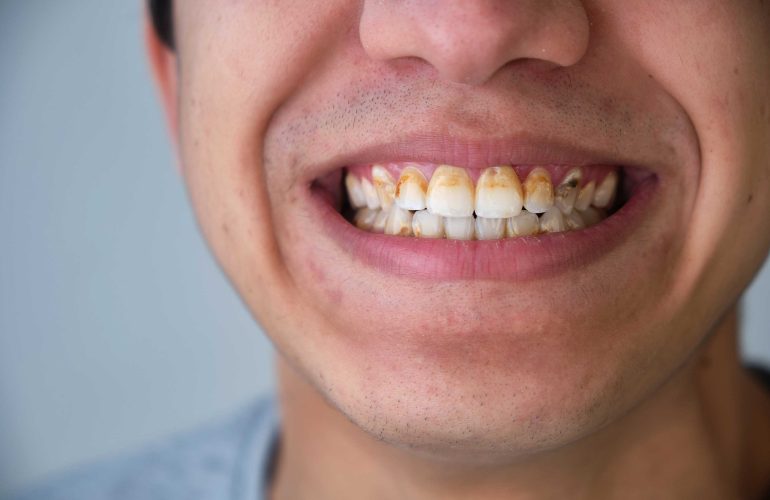
Worn, flattened, or chipped teeth
Enamel erosion and increased tooth sensitivity
Jaw pain, stiffness, or locking, particularly upon waking
Headaches or earaches related to jaw muscle tension
Indentations on the tongue or cheek irritation from tooth contact
Sleep disturbances, often reported by partners who notice grinding noises
Clinical evaluation allows for precise assessment of dental wear patterns, muscle tenderness, and TMJ function, guiding an individualized treatment plan.
Diagnostic Approaches for Bruxism
Our clinics employ a multi-modal diagnostic process to determine the severity and underlying causes of bruxism:
Comprehensive oral examination assessing enamel wear, bite patterns, and jaw function
Digital imaging and 3D occlusal analysis to detect misalignment and tooth fractures
Polysomnography (sleep study) for patients with nocturnal grinding or suspected sleep disorders
Muscle palpation and TMJ assessment to evaluate jaw strain and tenderness
Patient history evaluation, including stress levels, medications, and lifestyle habits
Accurate diagnosis is essential to develop a targeted and effective treatment plan, preventing further dental deterioration.
Preventive Strategies for Bruxism
While treatment is often necessary, preventive strategies play a critical role in minimizing damage:
Stress Management
Incorporating relaxation techniques, meditation, and physical exercise reduces muscle tension.
Cognitive behavioral therapy (CBT) can address underlying anxiety and stress-related bruxism.
Lifestyle Modifications
Reducing caffeine, alcohol, and tobacco use lowers the frequency and intensity of grinding.
Establishing a regular sleep routine improves neuromuscular control during nighttime.
Bite and Jaw Alignment
Early correction of malocclusion through orthodontics or restorative dentistry reduces mechanical triggers.
Regular dental evaluations identify bite irregularities before they exacerbate bruxism.
Professional Treatments for Bruxism
When bruxism causes dental or muscular complications, professional intervention is essential:
1. Occlusal Splints and Night Guards
Custom-made occlusal splints protect teeth from grinding forces.
Night guards distribute occlusal pressure evenly, reducing enamel wear and TMJ strain.
Soft or hard splints are tailored to patient comfort and severity of grinding.
2. Dental Restorations
Worn or fractured teeth may require composite bonding, veneers, or crowns.
Restorations restore functional bite and aesthetic appearance, preventing further damage.
3. Muscle Relaxation Therapies
Botulinum toxin (Botox) injections in jaw muscles can reduce involuntary contraction.
Physical therapy and jaw exercises relieve muscle tension and prevent TMJ complications.
4. Medication Adjustments
Reviewing medications with a healthcare provider can identify drug-induced bruxism.
Alternative medications or dosage adjustments may reduce grinding frequency.
5. Sleep Disorder Management
Treating sleep apnea or other sleep disturbances decreases nocturnal bruxism.
CPAP devices or positional therapy may be recommended for patients with obstructive sleep apnea.
Managing Symptoms and Improving Comfort
Patients experiencing bruxism often suffer from pain, sensitivity, and jaw fatigue. We implement strategies such as:
Desensitizing agents for sensitive teeth
Jaw exercises and warm compresses to relieve muscle tension
Gradual bite adjustments to prevent occlusal overload
Counseling and stress-reduction techniques for long-term management
These interventions improve quality of life while protecting dental structures.
Long-Term Maintenance and Follow-Up
Effective management of bruxism requires ongoing monitoring:
Regular dental check-ups to assess enamel wear, restorations, and occlusion
Night guard adjustments to ensure continued protection
Continued stress and lifestyle management to minimize recurrence
Periodic evaluation of TMJ health and muscle function
Consistent follow-up ensures that patients maintain functional, healthy teeth and avoid chronic complications.
Bruxism (teeth grinding) is a complex condition with multifactorial causes, including stress, dental misalignment, sleep disorders, and lifestyle factors. By employing thorough diagnostics, preventive strategies, and advanced professional treatments, we address both the symptoms and root causes, protecting teeth, jaw joints, and overall oral health. Comprehensive care ensures long-term relief, preservation of enamel integrity, and maintenance of a healthy, pain-free bite, empowering patients with lasting oral wellness.