İçindekiler
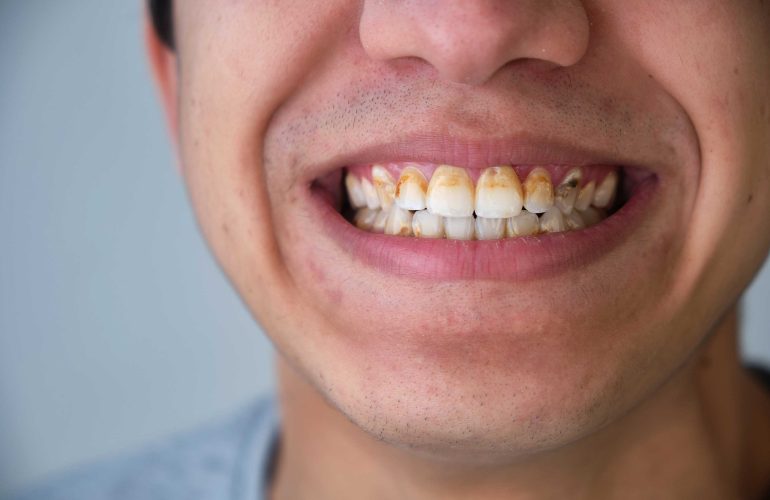
Discoloration of teeth is one of the most common aesthetic concerns affecting patients of all ages. It ranges from subtle yellowing to deep brown or gray staining, influencing both appearance and confidence. Tooth discoloration occurs due to a combination of extrinsic and intrinsic factors, encompassing lifestyle habits, dietary choices, aging, systemic health, and genetic predisposition. Understanding the underlying causes allows us to design effective whitening strategies, preventive care plans, and long-term oral health solutions.
We approach tooth discoloration not merely as a cosmetic concern but as a reflection of overall dental and systemic health, ensuring treatment addresses both appearance and oral integrity.
Extrinsic Factors Causing Tooth Discoloration
Extrinsic discoloration originates on the surface of the enamel and is usually linked to external staining agents. Key contributors include:
Dietary Influences
Frequent consumption of certain foods and beverages introduces chromogens, which adhere to enamel surfaces:
Coffee and tea: Rich in tannins, causing persistent yellow or brown stains
Red wine: Contains pigments that bind to enamel micro-porosities
Colored soft drinks and juices: Acidic beverages enhance pigment adherence
Dark sauces and condiments: Soy sauce, curry, and balsamic vinegar contribute to surface staining
Tobacco and Nicotine Use
Cigarettes, cigars, and smokeless tobacco deposit tar and nicotine, resulting in yellow to brown streaks
Chronic use deepens stains, making professional intervention essential
Poor Oral Hygiene
Inadequate brushing and flossing allow plaque and tartar accumulation, which absorb stains from food and drinks
Regular professional cleaning prevents buildup and surface discoloration
Extrinsic stains are often reversible with professional whitening and regular dental hygiene, making early intervention effective.
Intrinsic Factors Leading to Tooth Discoloration
Intrinsic discoloration occurs within the tooth structure, often affecting dentin and enamel integrity. Common causes include:
Medications
Tetracycline and doxycycline taken during tooth development can cause gray or brown banding
Certain antihistamines, antihypertensives, and antipsychotics may contribute to subtle staining over time
Fluorosis
Excessive fluoride exposure during childhood can produce white, brown, or mottled enamel
Severity varies from faint white streaks to pronounced discoloration requiring cosmetic treatment
Trauma or Dental Injury
Physical trauma to teeth can cause internal bleeding, leading to gray or dark discoloration
Damage may compromise enamel and dentin, making professional restorative care necessary
Genetic and Developmental Factors
Inherited enamel hypoplasia results in thinner enamel, exposing the yellow dentin underneath
Tooth color naturally varies, and some individuals have inherently darker or more translucent teeth
Intrinsic stains are generally more resistant to whitening, often requiring professional bleaching, veneers, or composite restorations.
Age-Related Discoloration
Aging significantly impacts tooth color through:
Enamel thinning, exposing the naturally yellow dentin
Cumulative exposure to staining foods, beverages, and environmental factors
Dentin sclerosis, increasing opacity and deepening tooth color
With age, both extrinsic and intrinsic discoloration contribute to a gradual darkening of the smile, necessitating combined whitening and restorative strategies.
Systemic and Health-Related Causes
Certain systemic conditions and treatments can alter tooth color:
Chemotherapy and radiation may cause enamel hypoplasia or intrinsic staining
Metabolic disorders, such as jaundice in infancy, can produce yellow or greenish teeth
Chronic diseases affecting enamel mineralization or saliva composition impact staining susceptibility
Understanding a patient’s medical history is crucial to tailoring whitening approaches and managing expectations.
Environmental and Lifestyle Factors
External factors beyond diet also influence tooth coloration:
Occupational exposure to pigments, chemicals, or metals may induce surface stains
Excessive consumption of acidic beverages can erode enamel, making teeth more prone to discoloration
Smoking cessation may prevent further deepening of tobacco-induced stains but existing discoloration often requires professional treatment
Lifestyle modifications complement clinical interventions, enhancing both immediate and long-term whitening outcomes.
Dental Restorations and Discoloration
Restorative materials can also affect tooth color:
Amalgam fillings may cause grayish discoloration adjacent to treated teeth
Composite resins may stain over time, requiring polishing or replacement
Crowns, veneers, and bridges may not match natural whitening, highlighting the need for coordinated cosmetic planning
Professional evaluation ensures aesthetic harmony across natural teeth and restorations.
Preventive Measures to Minimize Discoloration
Effective prevention involves daily care, lifestyle adjustments, and professional guidance:
Meticulous oral hygiene: Brushing with fluoride toothpaste, flossing, and tongue cleaning
Dietary moderation: Limiting chromogen-rich foods and acidic beverages
Regular dental visits: Professional cleaning to remove plaque and superficial stains
Protective measures: Use of straws for staining beverages, and gum guards for trauma prevention
These strategies slow the onset of discoloration and maximize whitening treatment longevity.
Professional Whitening Solutions for Discoloration
Addressing discoloration requires customized professional interventions:
In-office whitening: Rapid, high-concentration bleaching for immediate results
Take-home trays: Controlled bleaching over time with minimal sensitivity
Combination therapy: In-office sessions followed by home maintenance kits
Restorative cosmetic treatments: Veneers, crowns, or bonding for intrinsic stains resistant to bleaching
A comprehensive assessment ensures that the chosen approach addresses the type and severity of discoloration, delivering a brighter, uniform smile.
Discoloration of teeth is a multifactorial phenomenon, influenced by extrinsic stains, intrinsic changes, aging, systemic conditions, lifestyle habits, and dental restorations. By identifying the specific causes in each patient, we implement targeted whitening strategies, preventive routines, and long-term maintenance plans. Combining professional care with proper oral hygiene and lifestyle modifications allows patients to achieve lasting, aesthetically pleasing results while preserving enamel and gum health.