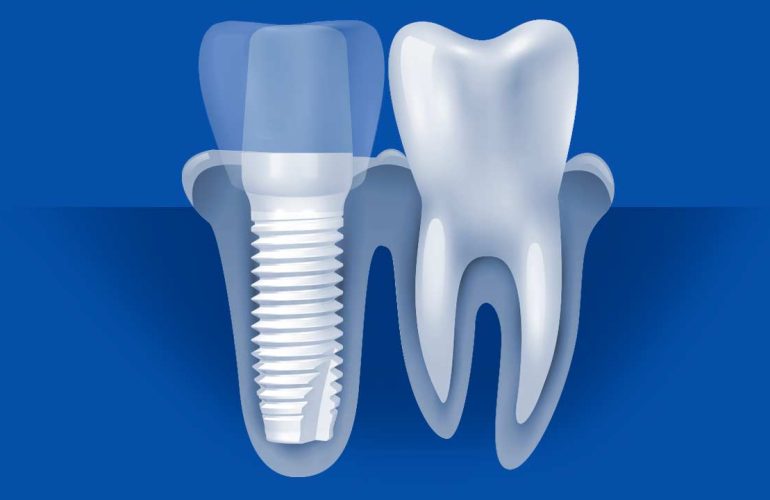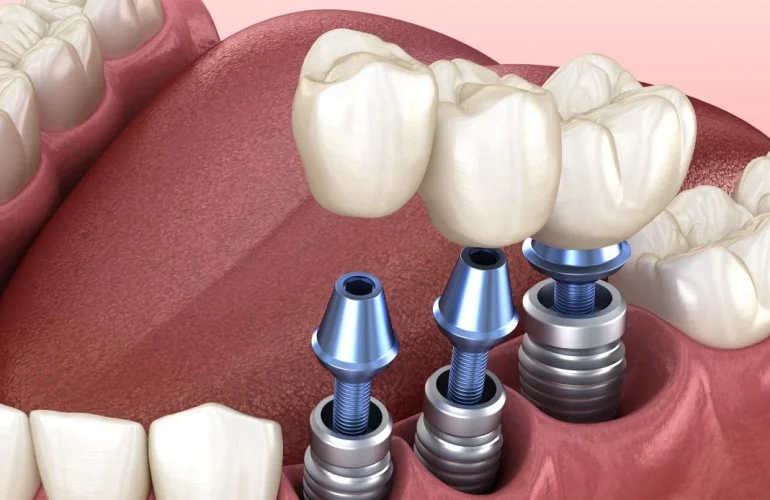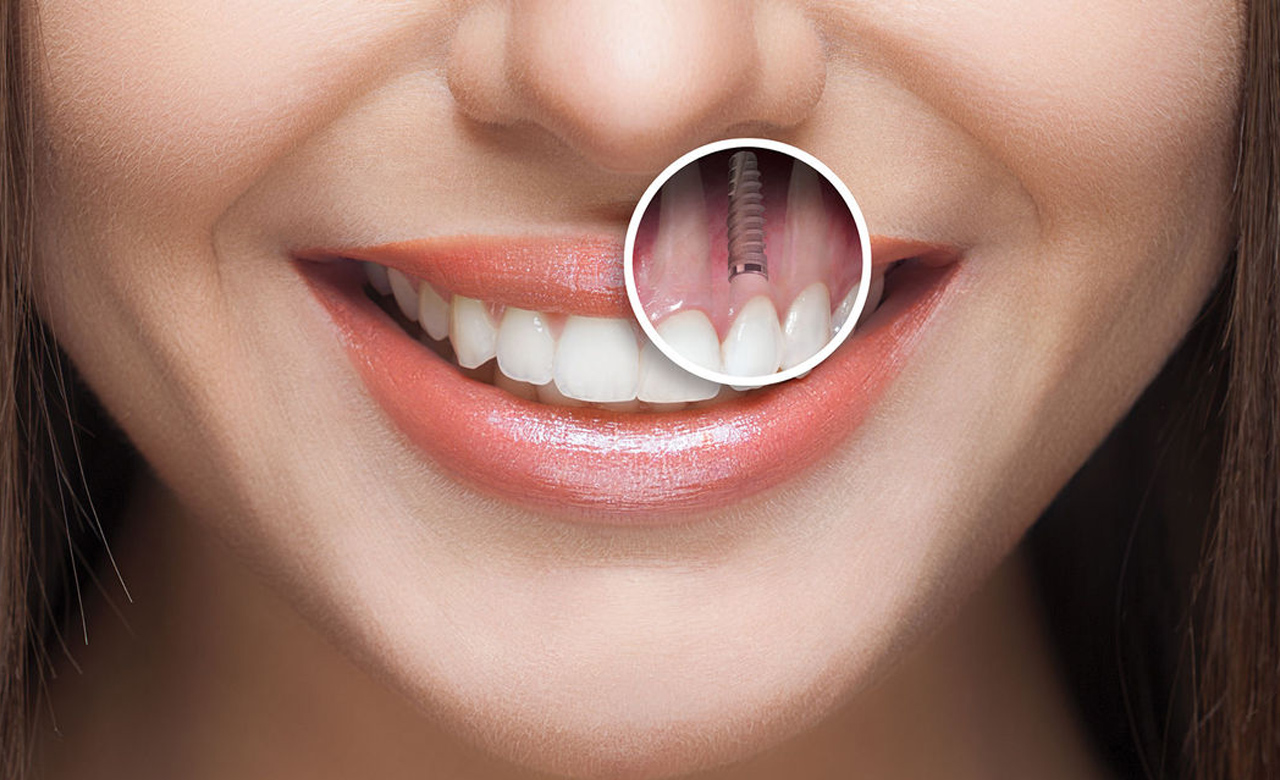
Dental implants have become the gold standard for replacing missing teeth, offering patients a permanent, functional, and aesthetically pleasing solution. Proper care after implant placement is critical to ensure successful osseointegration, prevent infection, and maintain overall oral health. This guide provides a detailed, step-by-step overview of the actions, precautions, and routines necessary after dental implant surgery to achieve the best outcomes.
Immediate Post-Operative Care
The first 24 to 48 hours after implant placement are crucial for initial healing. Patients should follow specific instructions to minimize complications and promote tissue recovery.
Managing Bleeding and Swelling
Bleeding Control: Minor bleeding or oozing is normal. Patients should bite on a sterile gauze pad for 30 to 60 minutes to control bleeding. Avoid spitting, rinsing aggressively, or using straws to prevent dislodging the blood clot.
Swelling Reduction: Swelling typically peaks 48 hours post-surgery. Applying an ice pack intermittently (15 minutes on, 15 minutes off) to the affected area can significantly reduce inflammation. Keeping the head elevated while resting can also minimize swelling.
Pain Management
Over-the-counter analgesics such as ibuprofen or acetaminophen are commonly recommended.
Prescription medications may be provided depending on the complexity of the procedure. Always follow the dosage and timing instructions carefully.
Avoid aspirin in the first 24 hours, as it may increase bleeding.
Antibiotic Therapy
Prescribed antibiotics help prevent infection, particularly in patients with a history of periodontal disease or systemic conditions like diabetes.
Complete the full course as directed, even if symptoms subside early.
Oral Hygiene After Implant Surgery
Maintaining optimal oral hygiene is essential to prevent peri-implantitis and support proper healing.
Gentle Cleaning Techniques
Avoid brushing the surgical site for the first 24 hours. Afterward, use a soft-bristled toothbrush to clean surrounding teeth and gently brush nearby areas without disturbing the implant.
Rinse with a prescribed antiseptic mouthwash or warm saline solution to reduce bacterial load.
Avoid alcohol-based mouth rinses in the initial healing period, as they can irritate the surgical site.
Flossing and Interdental Cleaning
Do not floss directly around the implant until advised by the dental surgeon.
Using soft interdental brushes to clean adjacent teeth can help maintain hygiene without compromising the implant area.
Dietary Recommendations for Implant Healing
Proper nutrition and careful eating habits significantly impact recovery and osseointegration.
Soft Diet Guidelines
Stick to soft foods such as yogurt, mashed potatoes, eggs, smoothies, and soups during the first week.
Avoid hard, crunchy, or sticky foods that may dislodge the implant or irritate the gums.
Hydration and Nutrient Intake
Drink plenty of water to aid healing and reduce swelling.
Incorporate protein-rich foods, vitamins (especially Vitamin C and D), and minerals (such as calcium and phosphorus) to enhance bone regeneration.
Avoid Certain Substances
Smoking delays healing and increases the risk of implant failure. Patients should refrain from smoking for at least 2–3 weeks post-surgery.
Alcohol consumption should be minimized, as it can impair blood clot formation and slow recovery.
Activity and Lifestyle Adjustments
Physical Activity
Limit strenuous physical activity for at least 48–72 hours after implant placement.
Avoid bending over, lifting heavy objects, or intense exercise that may increase blood pressure in the head and jaw region.
Sleep Position
Sleep with your head elevated on pillows to minimize swelling and bleeding.
Avoid sleeping directly on the surgical side to prevent pressure on the implant site.
Monitoring Healing and Identifying Complications
Regular observation and early detection of issues are key to preventing implant failure.
Signs of Normal Healing
Mild discomfort and swelling are typical.
Bruising of the gums and surrounding facial area may occur.
Minor bleeding or oozing is expected during the first 24 hours.
Warning Signs Requiring Immediate Attention
Persistent or worsening pain beyond the first 72 hours.
Excessive bleeding or pus discharge from the surgical site.
Fever, nausea, or systemic signs of infection.
Implant mobility or loosening before osseointegration is complete.
Follow-Up Visits and Professional Care
Initial Check-Ups
The first post-operative visit typically occurs within 7–10 days to remove sutures (if non-resorbable) and assess the surgical site.
Your dentist will check for signs of infection, proper healing, and implant stability.
Long-Term Monitoring
Subsequent appointments at 1 month, 3 months, and 6 months ensure proper osseointegration and soft tissue adaptation.
Radiographs may be taken to confirm bone healing around the implant.
After final prosthetic restoration, annual dental check-ups are essential to maintain implant health and prevent complications.
Implant-Specific Considerations
Immediate vs. Delayed Loading
Some implants may support temporary restorations immediately (immediate loading), while others require a healing period (delayed loading) before the crown or bridge is placed.
Following the dentist’s recommendation for loading protocols is crucial for long-term success.
Avoiding Peri-Implantitis
Peri-implantitis is an inflammatory condition that affects the soft and hard tissues surrounding an implant.
Maintaining rigorous oral hygiene, attending regular check-ups, and avoiding smoking dramatically reduce the risk of this complication.
Psychological and Aesthetic Factors
Maintaining realistic expectations regarding swelling, temporary discomfort, and the appearance of the surgical site helps patients stay motivated and compliant.
Early communication with your dental professional regarding esthetic outcomes ensures satisfaction with the final restoration.
Pro Tips for Accelerated Recovery
Apply a cold compress during the first 48 hours, then switch to a warm compress after 48 hours to improve blood flow and reduce stiffness.
Chew on the opposite side of the mouth during the initial healing phase.
Incorporate nutrient-dense, anti-inflammatory foods such as leafy greens, berries, and omega-3-rich fish to enhance tissue repair.
Maintain a consistent oral hygiene routine using low-abrasive toothpaste to protect the implant and surrounding gum tissue.
Adhering to meticulous post-operative care following dental implant placement is the cornerstone of achieving long-term implant success, optimal bone integration, and aesthetic satisfaction. By following the recommended guidelines for oral hygiene, diet, activity, and follow-up visits, patients can significantly reduce complications, ensure stable osseointegration, and enjoy fully functional and natural-looking dental restorations.
Proper attention to healing protocols, early identification of issues, and collaboration with your dental professional maximize the likelihood of a successful, durable, and aesthetically pleasing implant outcome. Consistent care not only preserves oral health but also enhances overall quality of life, making dental implants a highly rewarding investment in both function and appearance.