Zirconia implants have become one of the most advanced solutions in modern dentistry, offering patients a combination of durability, aesthetic appeal, and biocompatibility. Designed as a metal-free alternative to traditional titanium implants, zirconia implants provide natural-looking results while minimizing risks of allergic reactions and gum discoloration. This comprehensive guide details what zirconia implants are, their benefits, the meticulous manufacturing process, and the clinical procedures involved to ensure optimal oral health and long-term success.
Understanding Zirconia Implants
Zirconia implants, also called zirconium oxide implants, are crafted from high-performance ceramic materials. Unlike metal-based implants, they are entirely white and non-metallic, which enhances aesthetic integration with natural teeth. Their unique properties make them ideal for patients seeking strong, reliable, and visually appealing tooth replacement solutions. Key characteristics include:
Exceptional Biocompatibility: Promotes healthy soft tissue response and reduces inflammation.
Natural Tooth Color: Prevents greyish or metallic discoloration of the gums.
High Fracture Strength: Resistant to normal chewing forces and long-term wear.
Corrosion Resistance: Maintains integrity over time without oxidizing.
Smooth Surface: Minimizes bacterial colonization and supports oral hygiene.
Clinical Benefits of Zirconia Implants
Zirconia implants provide numerous advantages over traditional titanium implants, including:
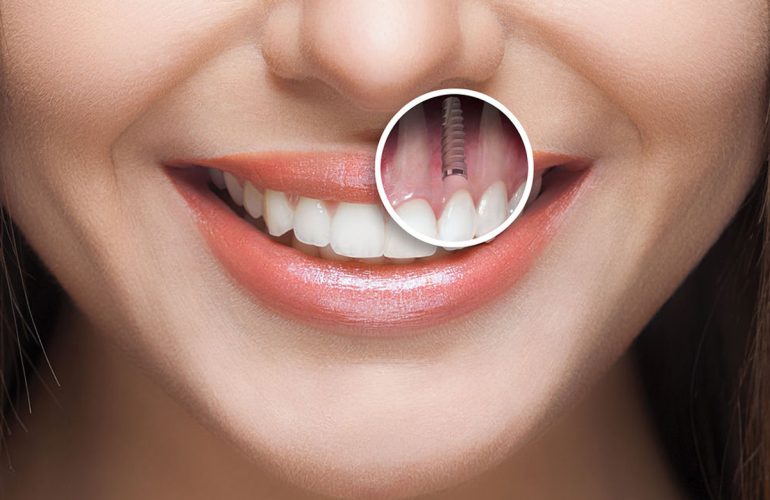
Superior Aesthetics: White ceramic implants blend seamlessly with surrounding teeth, particularly in front teeth replacements.
Metal-Free Option: Eliminates risks associated with metal sensitivities or allergies.
Bone and Gum Health: Smooth, biocompatible surfaces encourage osseointegration and reduce soft tissue irritation.
Durability: Designed to withstand long-term functional stress while maintaining shape and strength.
Plaque Resistance: Reduces biofilm accumulation, lowering the risk of peri-implantitis.
The Zirconia Implant Manufacturing Process
The creation of zirconia implants is a highly technical and precise process, designed to produce implants with optimal strength, surface characteristics, and compatibility for long-term success.
1. Selection and Preparation of Raw Materials
The process begins with high-purity zirconium oxide powder, often stabilized with yttrium oxide to enhance mechanical strength and fracture resistance. The powder is carefully purified and sieved to remove impurities that could compromise structural integrity.
2. Shaping and Milling with CAD/CAM Technology
Using computer-aided design and manufacturing (CAD/CAM) systems, the zirconia powder is molded or milled into precise implant shapes. This technology ensures:
Exact dimensions for proper bone integration.
Precise threading to maximize implant stability.
Custom sizing to match patient anatomy and prosthetic requirements.
3. Sintering for Strength and Durability
The shaped implants undergo sintering at extremely high temperatures, typically between 1350°C and 1600°C. This process:
Densifies the ceramic, increasing fracture resistance.
Enhances mechanical strength for long-term durability.
Maintains biocompatibility by preserving the chemical purity of the material.
4. Surface Modification for Osseointegration
Surface treatment is essential for successful osseointegration, ensuring the bone fuses effectively with the implant. Techniques include:
Sandblasting: Creates a micro-rough texture to improve bone cell attachment.
Acid Etching: Enhances surface roughness for faster healing and stability.
Plasma Treatments or Coatings: Optimize tissue compatibility and reduce bacterial adherence.
5. Quality Control and Sterilization
Before clinical use, each zirconia implant undergoes rigorous quality control:
Dimensional Analysis: Confirms accurate fit for abutments and crowns.
Mechanical Stress Testing: Ensures durability under functional forces.
Surface Inspection: Verifies roughness and texture for optimal bone integration.
Sterilization: Guarantees implants are contamination-free and ready for surgical placement.
Zirconia vs. Titanium Implants
Comparing zirconia with titanium implants highlights the unique advantages of zirconia, particularly for aesthetic-focused restorations:
| Feature | Zirconia Implant | Titanium Implant |
|---|---|---|
| Material | White ceramic | Metal (Titanium) |
| Biocompatibility | Extremely high | High, occasional sensitivities |
| Aesthetic Outcome | Natural tooth color, no gum discoloration | Potential greyish tint in gums |
| Plaque Accumulation | Reduced | Moderate |
| Corrosion Resistance | Excellent | Good, possible oxidation |
| Ideal Placement | Anterior teeth, aesthetic zones | Posterior teeth, full arch |
Zirconia implants are particularly suited for patients who prioritize natural appearance without compromising strength or healing efficiency.
The Clinical Procedure of Zirconia Implants
1. Pre-Operative Evaluation
Dental Examination: Evaluates teeth, gums, bite alignment, and jawbone condition.
Radiographic Imaging: CBCT scans or panoramic X-rays assess bone density and anatomical structures.
Medical History Review: Identifies conditions that may influence healing or integration, such as diabetes or cardiovascular disorders.
Treatment Planning: Customized implant placement and crown design for optimal functional and aesthetic outcomes.
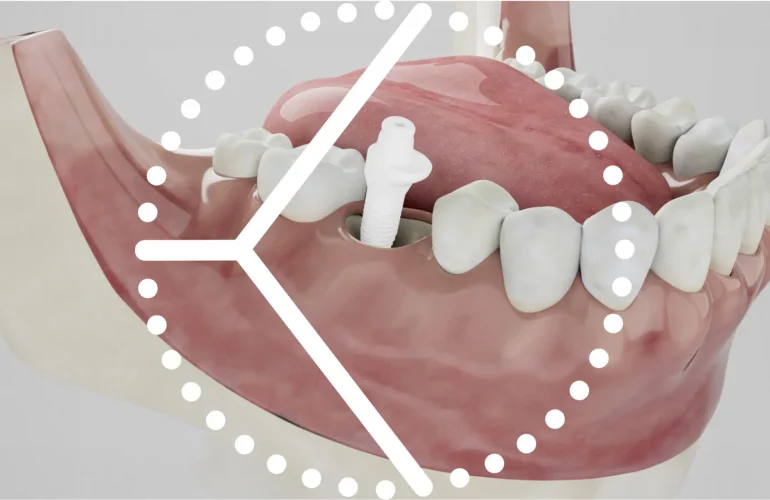
2. Surgical Placement
Anesthesia: Local or sedation options ensure patient comfort.
Gum Incision: Accesses the jawbone for implant placement.
Precision Drilling: Prepares the site for secure insertion.
Implant Insertion: Zirconia implant is positioned with exact alignment and stability.
3. Healing and Osseointegration
The implant fuses with the jawbone over 3 to 6 months, establishing a strong foundation for prosthetic restoration. Temporary crowns or bridges may be used during this phase.
4. Abutment and Prosthetic Restoration
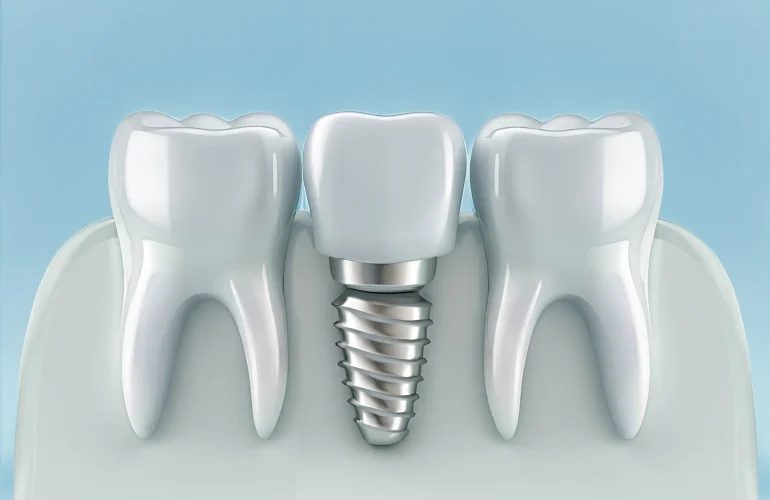
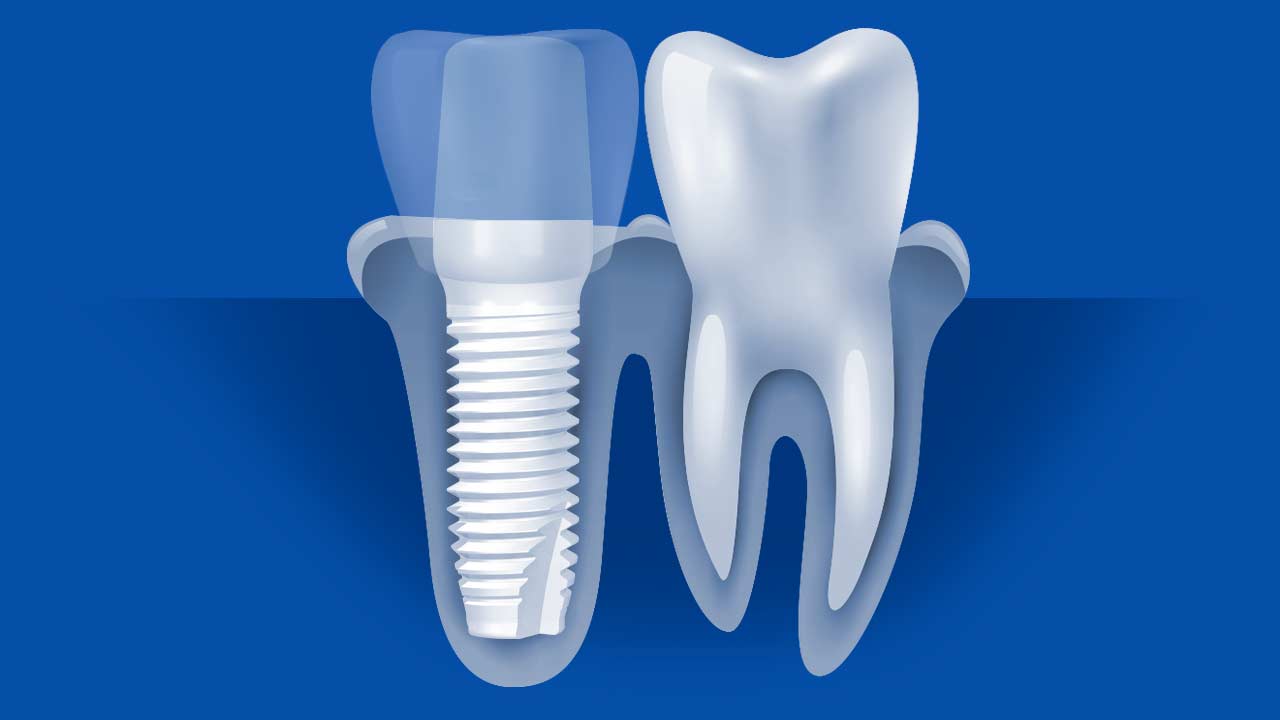
Abutment Placement: Connects the implant to the crown.
Custom Crown Fabrication: High-quality ceramic crowns are tailored to match adjacent teeth in color, shape, and translucency.
Final Placement: Secures the restoration, delivering full function and natural aesthetics.
Post-Operative Care for Zirconia Implants
Proper care is essential to ensure long-term success:
Oral Hygiene: Gentle brushing and antiseptic rinses prevent infection.
Dietary Adjustments: Soft foods are recommended initially to reduce pressure on the implant.
Follow-Up Visits: Monitor healing, osseointegration, and gum health.
Lifestyle Adjustments: Avoid smoking and limit alcohol during recovery to enhance bone integration.
Zirconia implants provide a revolutionary solution for modern dental restoration, combining strength, biocompatibility, and natural aesthetics. Through advanced manufacturing techniques, precise surface treatments, and meticulous surgical procedures, zirconia implants ensure durable, visually pleasing, and long-lasting results. From initial assessment to post-operative care, zirconia implants deliver a metal-free, reliable alternative for patients seeking the best possible outcomes in dental restoration.