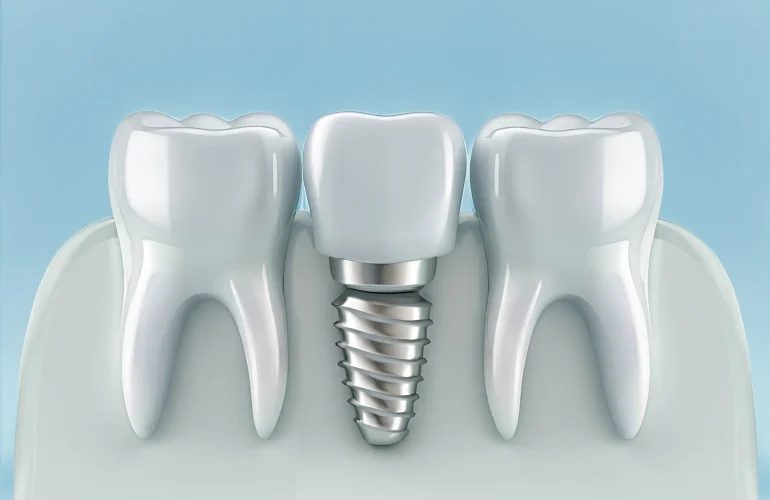
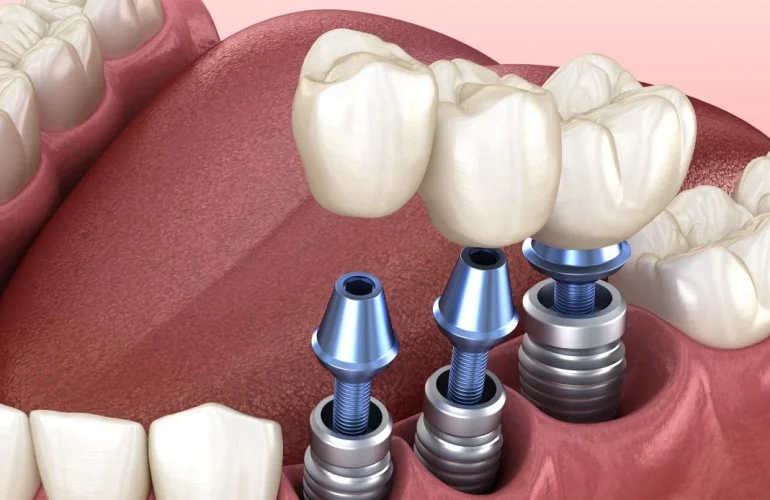
Zirconium implants have revolutionized modern dental implantology, offering a combination of exceptional aesthetics, superior biocompatibility, and long-term functional reliability. As patients increasingly seek metal-free, natural-looking dental solutions, zirconium implants have emerged as a leading alternative to traditional titanium-based systems. This article provides an in-depth exploration of the advantages of zirconium implants, detailing clinical benefits, patient outcomes, and technological considerations for optimal dental rehabilitation.
Understanding Zirconium Implants
Zirconium dioxide (ZrO₂), commonly referred to as zirconia, is a high-strength ceramic material renowned for its durability, biocompatibility, and aesthetic properties. Zirconium implants are manufactured to replace missing teeth while mimicking the natural color and translucency of teeth, ensuring seamless integration into the oral cavity.
Key Features of Zirconium Implants
Metal-free composition, eliminating the risk of metal allergies and corrosion
High fracture resistance, supporting long-term masticatory function
Smooth, non-porous surface that reduces bacterial adhesion and enhances soft tissue health
Excellent osseointegration, providing a stable and durable foundation for prosthetic restorations
These properties make zirconium implants a versatile solution for both single-tooth and full-arch restorations.
Superior Aesthetic Advantages of Zirconium Implants
One of the most significant advantages of zirconium implants is their superior aesthetics, particularly in the anterior or smile zone, where gum transparency can reveal metal components in traditional implants.
Aesthetic Benefits
Natural tooth color and translucency allow zirconium implants to blend seamlessly with surrounding teeth.
Elimination of grayish gum lines, often seen with titanium implants, particularly in patients with thin gingival tissue.
Enhanced soft tissue integration, promoting healthy gingival contours and reducing aesthetic compromises.
Compatibility with all-ceramic crowns, enabling fully metal-free restorations for a more lifelike smile.
These advantages make zirconium implants ideal for patients prioritizing aesthetic outcomes without sacrificing function.
Biocompatibility and Tissue Health
Zirconium implants exhibit outstanding biocompatibility, meaning they are highly compatible with surrounding bone and soft tissues, reducing the risk of inflammatory reactions and promoting long-term oral health.
Biological Advantages
Reduced plaque accumulation due to smooth ceramic surfaces, minimizing the risk of peri-implantitis.
Enhanced soft tissue attachment, supporting stable gingival margins and maintaining healthy papillae.
Hypoallergenic properties, ideal for patients with metal sensitivities or titanium allergies.
Minimized inflammatory response, facilitating better long-term peri-implant tissue stability.
By promoting healthy gum integration, zirconium implants support both functional and aesthetic longevity.
Mechanical Strength and Functional Reliability
Modern zirconium implants are engineered to withstand normal chewing forces, providing durable and reliable tooth replacement.
Mechanical Advantages
High fracture toughness, resisting chipping and breakage under masticatory load.
Single-piece or two-piece designs, offering flexibility in prosthetic planning and restoration.
Efficient load distribution, reducing stress on surrounding alveolar bone.
Suitability for immediate loading protocols, allowing faster restoration of function when conditions permit.
These properties ensure that zirconium implants can provide long-term functional stability, comparable to or exceeding traditional titanium implants.
Reduced Risk of Peri-Implant Complications
Zirconium implants demonstrate lower susceptibility to bacterial colonization, reducing the likelihood of peri-implant diseases, which are common complications in implant dentistry.
Clinical Implications
Smooth surface minimizes biofilm formation, a primary factor in peri-implantitis.
Lower soft tissue inflammation, contributing to healthier peri-implant mucosa.
Preservation of alveolar bone, enhancing long-term implant stability.
Improved long-term success rates, particularly in patients with high risk of periodontal complications.
By reducing the risk of peri-implant complications, zirconium implants increase predictability and patient satisfaction.
Metal-Free and Allergy-Friendly Option
A growing patient demand exists for metal-free dental solutions, particularly among individuals with allergies, sensitivities, or personal preferences against metal.
Advantages for Sensitive Patients
Elimination of metal hypersensitivity risks, a concern with titanium implants.
Compatibility with autoimmune or inflammatory conditions, minimizing adverse tissue reactions.
Fully ceramic restorations provide peace of mind for patients seeking holistic, biocompatible solutions.
Zirconium implants cater to a wide patient demographic, particularly those prioritizing health-conscious and metal-free dentistry.
Bone Preservation and Osseointegration
Osseointegration is critical for implant success, and zirconium implants exhibit excellent integration with alveolar bone, ensuring durable and functional restorations.
Bone Health Benefits
High surface energy supports osteoblast attachment, promoting effective bone remodeling.
Reduced marginal bone loss around the implant neck, supporting long-term stability.
Enhanced ridge preservation, important for maintaining natural oral anatomy.
Compatibility with bone grafting and sinus lift procedures, expanding treatment possibilities.
These features ensure long-term structural integrity and predictable outcomes, essential for functional and aesthetic rehabilitation.
Longevity and Maintenance
Zirconium implants are highly durable, with smooth surfaces that resist plaque accumulation and simplify oral hygiene routines.
Long-Term Considerations
Minimal maintenance requirements beyond routine dental care.
High resistance to corrosion, wear, and fracture, supporting decades-long functionality.
Regular dental check-ups ensure continued tissue health and implant longevity.
Ideal for patients seeking predictable, long-lasting, and aesthetically superior implant solutions.
Proper oral hygiene and professional monitoring enhance implant longevity and maintain the natural appearance of surrounding tissues.
Integration with Modern Prosthetic Solutions
Zirconium implants are highly compatible with advanced prosthetic technologies, including CAD/CAM-fabricated crowns, bridges, and full-arch restorations, providing both precision and aesthetic excellence.
Prosthetic Compatibility
Fully metal-free crowns and abutments, eliminating aesthetic compromises.
Digital workflows for guided implant placement, improving accuracy and efficiency.
Supports immediate or early loading protocols, reducing total treatment time.
Ideal for esthetic full-arch rehabilitation, with minimal risk of soft tissue recession or discoloration.
This integration highlights zirconium implants as a versatile and modern solution for complex restorative needs.
Ideal Candidates for Zirconium Implants
While suitable for a wide range of patients, proper assessment ensures optimal results:
Individuals seeking metal-free, aesthetic dental solutions.
Patients with thin gingival biotypes, prone to gingival discoloration with titanium implants.
Patients with titanium allergies or sensitivities.
Candidates for single-tooth restorations, bridges, or full-arch rehabilitation.
Individuals committed to good oral hygiene and regular follow-ups.
Comprehensive evaluation of bone quality, occlusion, and soft tissue health ensures predictable long-term success.
Zirconium implants offer a state-of-the-art solution in modern implant dentistry, combining exceptional aesthetics, superior biocompatibility, mechanical strength, and long-term stability. These implants provide a metal-free, hypoallergenic option for patients seeking natural-looking, durable restorations while minimizing the risk of peri-implant complications.
By integrating advanced materials with modern prosthetic and digital technologies, zirconium implants support predictable, long-lasting, and highly aesthetic dental rehabilitation. Patients benefit from enhanced smile aesthetics, stable soft tissue integration, and reliable functional outcomes, making zirconium implants a preferred choice for contemporary dental practice.