

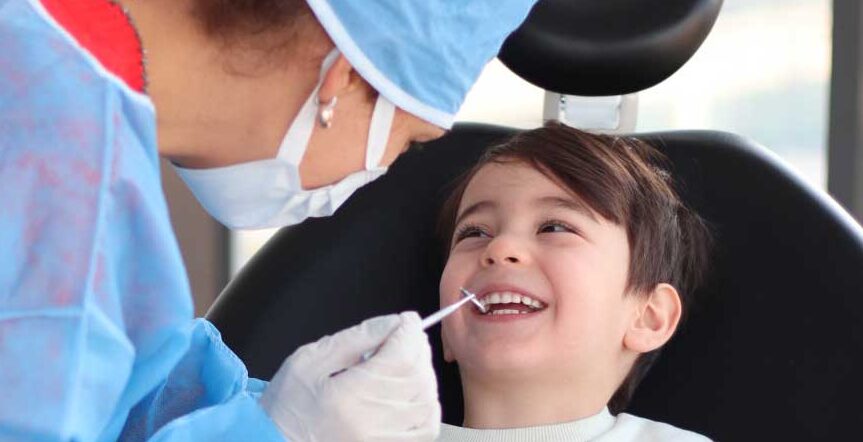
Comprehensive Pediatric Dentistry for Lifelong Oral Health
We provide pediatric dentistry with a structured, preventive, and development-focused approach that supports healthy oral growth from infancy through adolescence. Pediatric dental care is not a simplified version of adult dentistry; it is a specialized medical discipline that addresses anatomical development, behavioral management, nutritional influence, and long-term risk prevention.
Every pediatric dental protocol we apply is designed to protect primary teeth, developing permanent dentition, jaw growth, and oral habits, ensuring children reach adulthood with stable oral health foundations.
Scope of Pediatric Dentistry
Pediatric dentistry focuses on the diagnosis, prevention, and treatment of oral conditions affecting infants, children, and teenagers. This includes managing both dental health and behavioral adaptation, which directly influences treatment success.
Our pediatric dental care includes:
Preventive dental services
Early orthodontic evaluation
Restorative pediatric treatments
Dental trauma management
Habit intervention and monitoring
Growth and eruption analysis
Each stage of childhood requires a different clinical strategy.
Preventive Pediatric Dental Care
Early Dental Examinations
Early dental visits allow us to:
Monitor tooth eruption patterns
Detect early enamel defects
Identify risk factors for tooth decay
Establish positive dental experiences
Prevention begins before symptoms appear.
Professional Dental Cleanings
Pediatric dental cleanings remove plaque and biofilm from areas unreachable by routine brushing. This reduces:
Early childhood caries
Gum inflammation
Bacterial colonization
Routine cleanings also reinforce oral hygiene habits.
Fluoride Applications
Topical fluoride strengthens enamel and increases resistance to acid attacks. Controlled professional fluoride use:
Reduces cavity formation
Supports remineralization
Protects vulnerable enamel surfaces
Fluoride protocols are adjusted based on age and risk profile.
Dental Sealants for Children
Dental sealants are a core component of preventive pediatric dentistry. They are applied to deep grooves of molars where cavities most commonly develop.
Sealants:
Act as physical barriers
Prevent food and bacteria accumulation
Provide long-term protection
Properly applied sealants significantly reduce cavity incidence during critical growth years.
Management of Tooth Decay in Children
Early Childhood Caries Treatment
Tooth decay in children progresses rapidly. Early intervention prevents:
Pain and infection
Premature tooth loss
Speech and chewing impairment
We use minimally invasive techniques to preserve tooth structure whenever possible.
Pediatric Fillings
Restorative treatments for children use materials selected for:
Biocompatibility
Durability
Aesthetic integration
Fillings are placed with precision to maintain proper bite development.
Pulp Therapy and Pediatric Root Treatments
When decay reaches the dental pulp, pulp therapy becomes necessary. Pediatric pulp treatments aim to:
Eliminate infection
Preserve primary teeth
Maintain space for permanent teeth
Early tooth loss disrupts arch development and increases orthodontic risk.
Stainless Steel Crowns in Pediatric Dentistry
For extensively damaged primary teeth, stainless steel crowns provide:
Full tooth coverage
Long-term durability
Protection against recurrent decay
These crowns maintain chewing function until natural tooth exfoliation.
Monitoring Growth and Dental Development
Pediatric dentistry includes continuous assessment of:
Jaw growth patterns
Tooth eruption timing
Bite relationships
Facial symmetry
Early detection of developmental irregularities allows timely orthodontic referral and interceptive treatment.
Early Orthodontic Evaluation
Orthodontic assessment during childhood identifies:
Crowding risks
Jaw discrepancies
Harmful oral habits
Crossbite and open bite tendencies
Early guidance reduces the severity and duration of future orthodontic treatment.
Habit Control and Behavioral Guidance
Certain habits directly affect dental development:
Thumb sucking
Pacifier overuse
Tongue thrusting
Mouth breathing
Pediatric dentistry includes habit analysis and intervention strategies to prevent skeletal and dental distortion.
Dental Trauma Management in Children
Children are prone to dental injuries due to physical activity. Pediatric dentistry provides:
Immediate trauma assessment
Tooth stabilization
Soft tissue injury management
Long-term follow-up
Rapid response preserves tooth vitality and alignment.
Pediatric Dentistry and Nutrition Counseling
Diet directly influences oral health. Pediatric dental care includes guidance on:
Sugar frequency control
Acidic beverage reduction
Balanced nutritional intake
Timing of snacks
Dietary habits established early determine long-term caries risk.
Behavior Management in Pediatric Dental Care
Effective pediatric dentistry relies on behavioral communication techniques that build trust and cooperation. We adapt treatment pacing, explanation style, and clinical environment to support:
Anxiety reduction
Positive reinforcement
Long-term dental confidence
A calm child allows accurate and efficient treatment.
Special Care Pediatric Dentistry
Children with special healthcare needs require customized dental protocols. Pediatric dentistry adapts:
Appointment duration
Treatment planning
Preventive emphasis
Caregiver collaboration
Consistency and patience ensure safe and effective care.
Importance of Primary Teeth Preservation
Primary teeth are not temporary placeholders. They:
Guide permanent tooth eruption
Support speech development
Maintain chewing efficiency
Influence jaw growth
Premature loss leads to misalignment and functional compromise.
Infection Control and Pediatric Safety
Pediatric dental environments demand strict infection control and safety standards. Our protocols prioritize:
Sterilization
Child-safe materials
Non-toxic products
Controlled clinical settings
Safety is non-negotiable.
Long-Term Benefits of Pediatric Dentistry
Comprehensive pediatric dentistry results in:
Reduced cavity incidence
Stable dental alignment
Improved oral hygiene habits
Lower orthodontic complexity
Increased dental confidence
Healthy childhood dentistry translates into healthier adulthood outcomes.
Pediatric Dentistry as a Preventive Medical Discipline
Pediatric dentistry is a preventive medical strategy, not reactive treatment. Early diagnosis, continuous monitoring, and structured intervention shape lifelong oral health.
We approach pediatric dentistry with clinical discipline, developmental awareness, and preventive precision.


