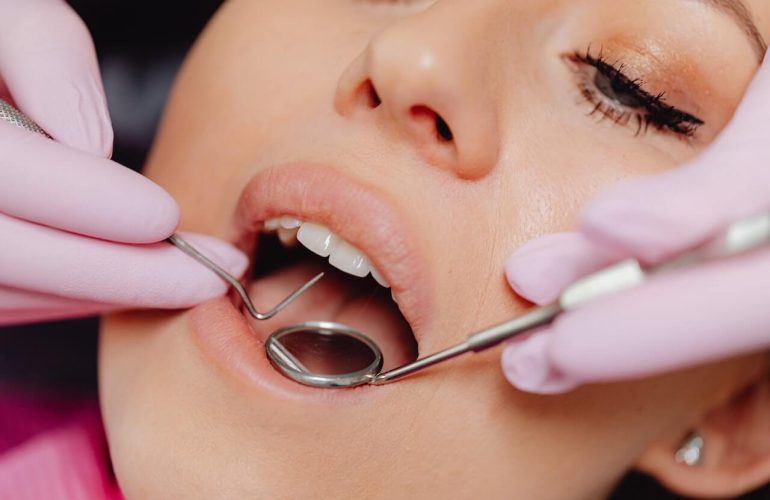
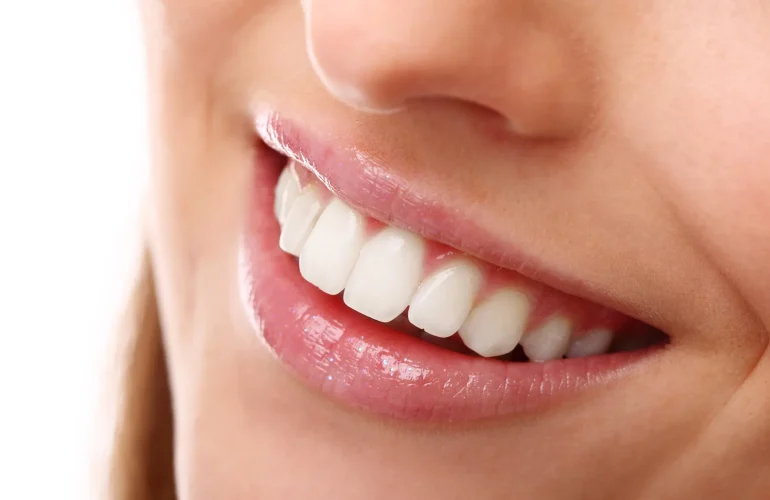
Maintaining optimal oral health requires a proactive and consistent approach that addresses both dental decay and gum disease, two of the most prevalent oral health issues worldwide. Preventive care goes beyond brushing and flossing; it incorporates proper nutrition, lifestyle modifications, professional dental care, and awareness of risk factors. In this comprehensive guide, we will explore detailed strategies for preventing dental decay and gum disease, emphasizing actionable steps supported by modern dentistry.
Understanding Dental Decay: Causes and Early Detection
Dental decay, also known as dental caries, occurs when acids produced by bacteria in dental plaque erode tooth enamel. The process begins subtly, often unnoticed until the decay has penetrated deeper layers of the tooth.
Key Factors Contributing to Dental Decay
Poor Oral Hygiene: Inadequate brushing and flossing allow plaque accumulation, leading to enamel demineralization.
High Sugar Intake: Frequent consumption of sugary and acidic foods fuels bacteria that produce enamel-eroding acids.
Dry Mouth (Xerostomia): Saliva acts as a natural defense, neutralizing acids and aiding remineralization. Reduced saliva flow increases decay risk.
Genetic Susceptibility: Enamel composition, saliva quality, and tooth morphology are influenced by genetics, affecting decay vulnerability.
Existing Dental Work: Gaps around fillings, crowns, or orthodontic appliances can trap food and bacteria.
Early Signs of Decay
White or brown spots on enamel
Tooth sensitivity to hot, cold, or sweet foods
Persistent bad breath or foul taste
Minor discomfort when chewing
Early detection allows for non-invasive interventions, such as fluoride treatments or dental sealants, which can halt progression.
Preventing Dental Decay: Daily Practices
Brushing Techniques
Effective brushing removes plaque and prevents acid buildup. Recommendations include:
Brushing twice daily, ideally after meals
Using a soft-bristled toothbrush to protect enamel and gums
Applying fluoride toothpaste to strengthen enamel
Employing a 45-degree angle technique toward the gumline for thorough cleaning
Flossing and Interdental Cleaning
Dental decay often develops in areas inaccessible to toothbrushes. Daily flossing or using interdental brushes reduces plaque between teeth and prevents cavities in these vulnerable regions.
Mouthwash Use
Antimicrobial mouthwashes containing chlorhexidine or essential oils reduce bacterial load. Fluoride-containing rinses also enhance enamel remineralization.
Diet and Nutrition
Limit sugary snacks and drinks: Every sugar exposure increases acid attack duration.
Incorporate calcium-rich foods: Dairy, almonds, and leafy greens reinforce enamel.
Consume phosphate and fluoride sources: Green tea, certain fish, and fortified water support enamel resilience.
Understanding Gum Disease: From Gingivitis to Periodontitis
Gum disease, or periodontal disease, is a progressive infection of the gums and supporting structures of the teeth. It begins as gingivitis, characterized by inflammation, redness, and bleeding, and can advance to periodontitis, leading to bone loss and tooth mobility.
Risk Factors for Gum Disease
Plaque and Tartar Accumulation: Persistent bacterial biofilm triggers chronic inflammation.
Smoking and Tobacco Use: Impairs immune response and slows tissue healing.
Diabetes and Other Systemic Conditions: High blood sugar levels exacerbate bacterial growth and gum inflammation.
Hormonal Changes: Pregnancy, menstruation, and menopause increase susceptibility.
Stress and Poor Sleep: Weaken immune defense mechanisms, allowing periodontal bacteria to thrive.
Symptoms to Watch
Swollen, tender, or bleeding gums
Receding gums exposing tooth roots
Persistent bad breath
Loose or shifting teeth
Early intervention is crucial. Gingivitis is reversible, whereas periodontitis may require surgical procedures to restore oral health.
Preventing Gum Disease: Effective Strategies
Professional Dental Care
Regular visits to a dentist or periodontist are vital for gum disease prevention. Recommended practices include:
Biannual cleanings to remove plaque and tartar
Periodontal evaluations to detect early gum tissue changes
Scaling and root planing for patients with early signs of periodontitis
At-Home Oral Hygiene
Maintaining a rigorous home routine is essential:
Brushing with soft-bristled brushes and fluoride toothpaste
Flossing or using water flossers to remove subgingival debris
Antimicrobial rinses to reduce bacterial colonization
Lifestyle Modifications
Quit smoking to improve gum healing and reduce bacterial adhesion
Manage diabetes and other systemic conditions
Reduce stress and improve sleep hygiene
Nutritional Support
Certain nutrients bolster gum health:
Vitamin C: Essential for collagen formation and tissue repair
Vitamin D: Regulates immune function
Omega-3 fatty acids: Reduce inflammation and support vascular health
Advanced Preventive Techniques
Dental Sealants
Sealants are thin protective coatings applied to molars to prevent plaque accumulation in grooves. Particularly effective for children and adolescents, sealants provide a barrier against decay in hard-to-reach areas.
Fluoride Treatments
Professional fluoride applications strengthen enamel and promote remineralization. Fluoride varnishes and gels are especially useful for high-risk patients.
Saliva Enhancement
For patients with dry mouth:
Chewing sugar-free gum stimulates saliva production
Using saliva substitutes or moisturizers maintains oral defense mechanisms
Regular Monitoring
Tracking oral health trends, such as plaque scores, gum pocket depths, and enamel integrity, enables proactive interventions before conditions worsen.
Special Considerations for High-Risk Populations
Certain groups require tailored preventive approaches:
Children and Adolescents
Early education on brushing and flossing
Fluoride varnishes and sealants
Diet guidance to limit sugar intake
Elderly Patients
Address dry mouth from medications
Monitor for root caries and gum recession
Adapted oral hygiene tools, such as electric toothbrushes
Patients with Orthodontic Appliances
Interdental brushes and water flossers
Frequent professional cleanings
Education on appliance-specific plaque accumulation
The Role of Technology in Prevention
Modern dentistry leverages digital diagnostics and monitoring:
Intraoral cameras detect early decay and gum inflammation
Laser fluorescence devices identify enamel demineralization
3D imaging and scanning assess bone levels and periodontal structures
These technologies enhance early detection, allowing minimally invasive interventions.
Comprehensive Oral Health Routine: Putting It All Together
A holistic preventive routine integrates the following steps:
Brush twice daily with fluoride toothpaste and a soft-bristled brush.
Floss or use interdental brushes daily to remove plaque between teeth.
Rinse with antimicrobial or fluoride mouthwash as recommended.
Maintain a balanced diet low in added sugars and rich in vitamins, minerals, and fiber.
Stay hydrated to ensure adequate saliva flow.
Avoid tobacco in all forms.
Schedule professional dental visits at least twice yearly for check-ups and cleanings.
Monitor and address systemic health conditions that impact oral health.
Consistency and diligence in this routine significantly reduce the risk of both dental decay and gum disease, preserving oral health for a lifetime.
Preventing dental decay and gum disease requires a multifaceted approach combining daily hygiene, dietary management, lifestyle choices, and professional care. By understanding the causes, recognizing early symptoms, and implementing targeted preventive strategies, individuals can maintain healthy teeth and gums, avoid invasive procedures, and ensure overall well-being. Prioritizing oral health not only enhances aesthetic appearance and comfort but also contributes to systemic health, reinforcing the vital connection between the mouth and the body.
Investing in prevention today safeguards your oral health tomorrow, creating a foundation for confidence, comfort, and longevity in dental wellness.