Osseointegration dental implant technology represents the cornerstone of modern restorative dentistry, providing patients with durable, functional, and aesthetically pleasing solutions for missing teeth. This process, which establishes a direct structural and functional connection between the implant surface and living bone, ensures long-term stability and reliability of dental implants. Understanding the biological mechanisms, clinical protocols, and factors influencing osseointegration is essential for achieving predictable and successful outcomes in implant dentistry.
Understanding Osseointegration in Dental Implants
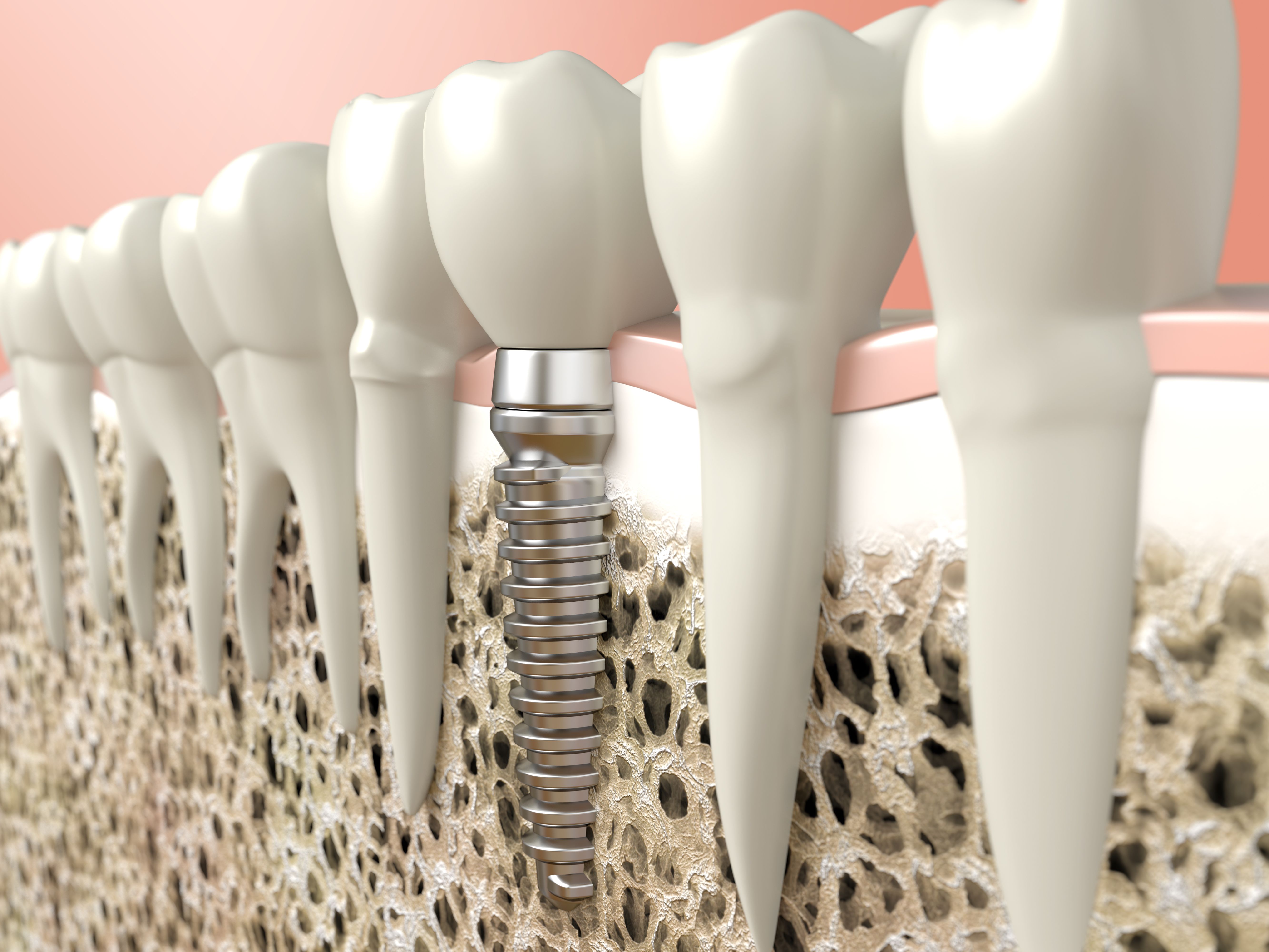
Osseointegration is defined as the direct contact between the implant surface and bone without intervening soft tissue, enabling the implant to function as a stable support for prosthetic restorations. This critical interaction allows dental implants to mimic natural tooth roots, distributing occlusal forces efficiently and providing long-term durability.
Key Features of Osseointegration in Implants
Bone-to-implant contact measured at the microscopic level.
Primary stability achieved immediately after implant placement.
Secondary stability through bone remodeling and maturation.
Resistance to micromovements, which ensures long-term implant success.
Biological Phases of Osseointegration
The process of osseointegration is complex and occurs through several stages, each critical for achieving a stable dental implant.
1. Hemostasis and Early Healing
Following implant placement, a blood clot forms around the implant site.
Platelets release growth factors such as PDGF and TGF-β, initiating angiogenesis and cellular recruitment.
2. Inflammatory Phase
Controlled inflammation removes necrotic tissue and prepares the site for bone formation.
Cytokines and signaling molecules guide osteogenic cell migration to the implant surface.
3. Proliferation and Osteogenesis
Osteoblasts produce new bone matrix along the implant surface, forming woven bone.
This initial bone deposition provides primary mechanical stability, crucial for early functional load.
4. Remodeling and Maturation
Woven bone transitions into lamellar bone, increasing density and strength.
Bone remodeling adapts to functional stresses, enhancing long-term implant stability.
Complete osseointegration typically occurs within 3–6 months, depending on bone quality, implant design, and patient health.
Implant Design and Surface Characteristics
The success of osseointegration depends heavily on the implant’s material, surface texture, and macrodesign.
Implant Material
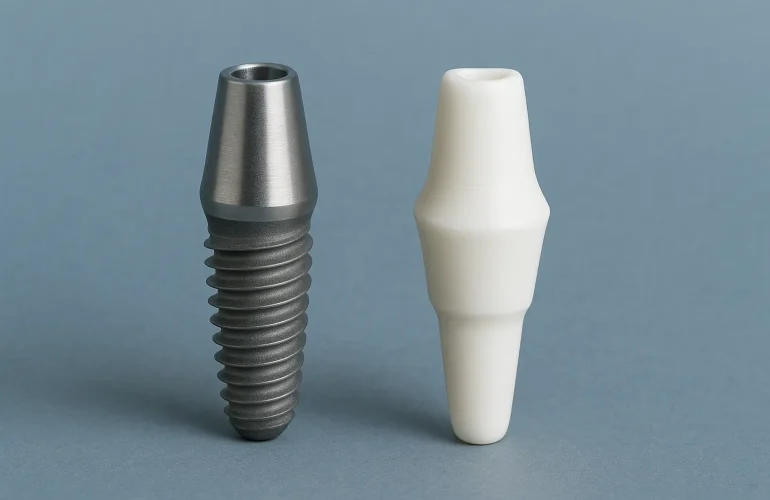
Titanium implants are highly biocompatible, resistant to corrosion, and support excellent osseointegration.
Zirconia implants offer metal-free alternatives with superior aesthetics and hypoallergenic properties.
Surface Modifications
Roughened surfaces increase bone contact area and enhance osteoblast attachment.
Acid-etched, sandblasted, or plasma-sprayed surfaces accelerate bone healing.
Bioactive coatings such as hydroxyapatite further stimulate bone growth and integration.
Macrodesign
Threaded implants enhance primary stability and distribute load efficiently.
Tapered designs facilitate insertion in narrow ridges and provide increased stability.
Implant length and diameter are optimized based on bone availability and occlusal load requirements.
Factors Affecting Osseointegration
Achieving reliable osseointegration requires consideration of both patient-related and surgical factors.
Patient-Related Factors
Bone Quality and Density
Dense cortical bone promotes faster and more predictable integration.
Trabecular bone may require longer healing periods or bone grafting.
Systemic Health
Diabetes, osteoporosis, and immunosuppressive conditions may impede bone healing.
Smoking reduces angiogenesis and negatively impacts implant survival.
Oral Hygiene
Effective plaque control prevents peri-implant inflammation and bone loss.
Regular follow-ups ensure early detection of complications.
Occlusal Forces
Overloading can compromise early osseointegration.
Proper prosthetic design ensures even distribution of bite forces.
Surgical and Procedural Factors
Precision in implant placement using guided surgery optimizes bone contact.
Minimally traumatic surgical techniques preserve bone vitality.
Immediate vs delayed loading decisions impact the stress placed on healing bone.
Clinical Significance of Osseointegration
Osseointegration is central to the functional and aesthetic success of dental implants.
Stability and Load-Bearing
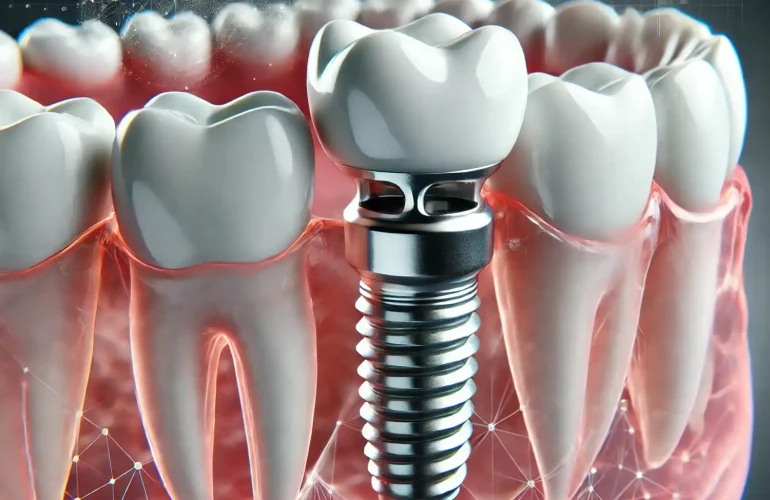
Osseointegrated implants provide rigid anchorage for single crowns, multi-unit bridges, or full-arch restorations.
Adequate primary stability prevents micromovements that could disrupt bone healing.
Long-Term Survival and Success Rates
When properly planned and executed, dental implants achieve success rates exceeding 95%.
Osseointegration reduces risks of implant loosening, fracture, or marginal bone loss.
Preservation of Alveolar Bone
Implants transmit functional forces to the jawbone, preventing resorption commonly observed with tooth loss.
Maintains facial structure, gingival architecture, and occlusal vertical dimension.
Functional and Aesthetic Restoration
Osseointegrated implants restore natural chewing efficiency and speech function.
Support prosthetic teeth that blend seamlessly with natural dentition, enhancing smile aesthetics.
Advanced Techniques to Enhance Osseointegration
Surface Engineering
Nanostructured surfaces mimic natural bone, promoting osteoblast adhesion.
Bioactive coatings containing calcium phosphate or growth factors accelerate bone formation.
Digital Dentistry Integration
3D CBCT imaging allows precise assessment of bone volume and anatomy.
Guided implant surgery ensures optimal positioning, minimizing surgical trauma.
CAD/CAM prosthetics provide customized restorations that distribute occlusal load effectively.
Immediate Loading Protocols
In select patients, implants can receive temporary prostheses immediately after placement.
Immediate loading stimulates bone and soft tissue adaptation without compromising osseointegration.
Post-Operative Care for Successful Osseointegration
Ensuring long-term implant success requires rigorous maintenance and monitoring:
Daily oral hygiene including brushing, flossing, and antimicrobial rinses.
Regular clinical and radiographic evaluations to assess bone and soft tissue health.
Avoidance of excessive forces on newly placed implants during healing.
Lifestyle modifications, such as smoking cessation and balanced nutrition, support bone metabolism.
Occlusal adjustments when necessary to prevent overload on implants.
Proper post-operative care ensures long-lasting stability, optimal function, and aesthetics.
Challenges and Complications
While osseointegration has high success rates, clinicians must consider potential challenges:
Insufficient bone volume or poor quality may require augmentation procedures.
Systemic conditions or medications can delay bone healing.
Peri-implantitis may compromise osseointegration if oral hygiene is inadequate.
Excessive mechanical load or trauma during early healing can disrupt bone-implant contact.
Careful planning, patient selection, and follow-up protocols are essential to mitigate these risks.
Osseointegration dental implant therapy is the fundamental process that allows implants to function as natural teeth, providing stability, aesthetics, and long-term reliability. By ensuring direct bone-to-implant contact, clinicians can achieve predictable outcomes for single-tooth restorations, full-arch rehabilitations, and complex prosthetic cases.
Through advanced implant materials, surface engineering, surgical precision, and digital workflows, osseointegration is optimized, resulting in high success rates, long-term bone preservation, and functional efficiency. Proper post-operative care and patient compliance further ensure durable, aesthetically pleasing, and fully functional dental implant outcomes.
Osseointegration remains the cornerstone of modern implant dentistry, enabling patients to regain oral function, confident smiles, and overall quality of life.