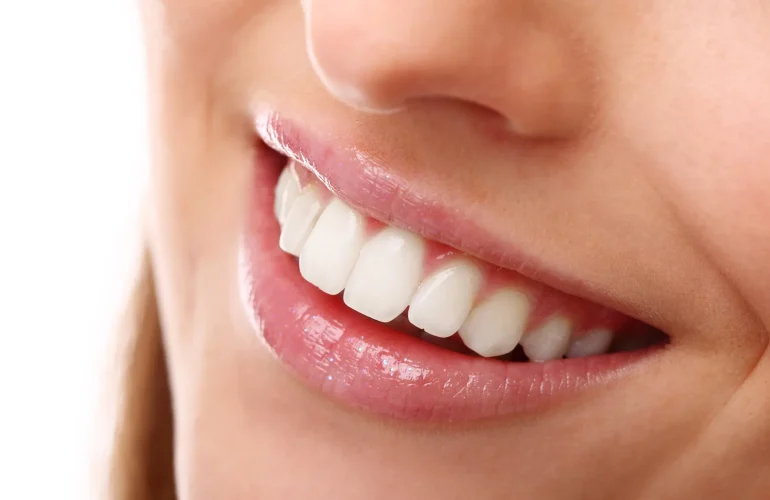
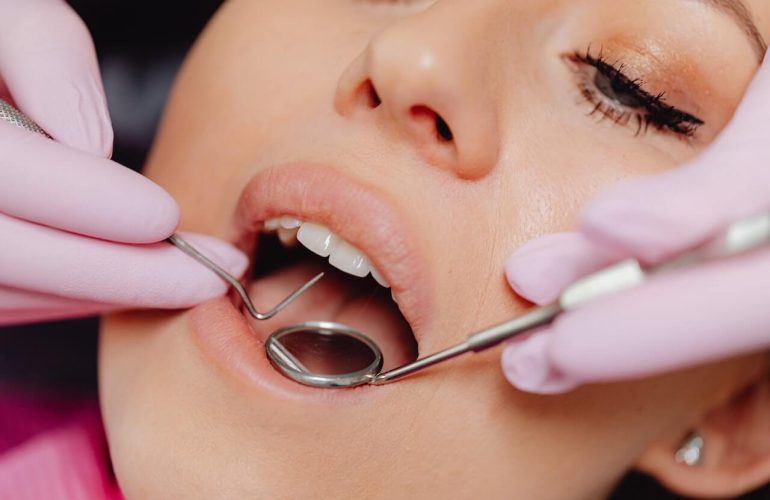
Achieving a bright, radiant smile is a cornerstone of modern cosmetic dentistry, and laser whitening has emerged as one of the most effective solutions for fast, long-lasting teeth whitening. Unlike traditional bleaching methods, laser-assisted treatments combine precision, efficiency, and enhanced safety to produce remarkable results in a controlled clinical environment. In this comprehensive guide, we examine the mechanisms, benefits, procedures, considerations, and innovations in laser teeth whitening, providing an authoritative resource for patients and dental professionals alike.
Understanding Laser Whitening: How It Works
Laser whitening, also referred to as laser teeth bleaching, is an in-office cosmetic dental procedure designed to lighten the color of teeth by several shades in a single session. The process involves the application of a high-concentration bleaching gel, typically containing hydrogen peroxide or carbamide peroxide, followed by activation with a specialized dental laser.
Mechanism of Action
The laser emits a focused light energy that accelerates the chemical reaction of the bleaching agent.
Free radicals released from hydrogen peroxide break down chromogens, the organic compounds responsible for stains.
The controlled heat from the laser enhances the penetration of the bleaching agent into the enamel and dentin.
This targeted approach results in faster whitening, typically in 30 to 60 minutes, while minimizing exposure to surrounding soft tissues.
Advantages of Laser Whitening Over Traditional Methods
Laser whitening offers multiple advantages over conventional bleaching techniques, including in-office trays or at-home kits:
Rapid Results: Most patients notice immediate whitening after a single session.
Precision Control: The dentist can target specific teeth or areas, ensuring uniform shade improvement.
Enhanced Activation: Laser energy accelerates peroxide activity, producing more pronounced color change.
Reduced Sensitivity: Proper laser use minimizes thermal stress, reducing post-treatment discomfort.
Long-Lasting Effects: When combined with professional maintenance, results can last up to two years or longer.
These benefits make laser whitening ideal for patients seeking quick, dramatic improvement for events, photoshoots, or professional appearances.
Ideal Candidates for Laser Whitening
Not all patients are suitable for laser whitening. Ideal candidates typically exhibit:
Intrinsic or extrinsic stains caused by coffee, tea, wine, smoking, or aging
Healthy teeth with intact enamel and no significant decay or fractures
Good periodontal health, with no active gum disease or infections
Realistic expectations regarding shade improvement and maintenance
Patients with restorations such as crowns, veneers, or composite fillings should note that these materials do not respond to bleaching and may require alternative cosmetic solutions.
The Laser Whitening Procedure: Step-by-Step
Laser whitening is a controlled, multi-stage procedure performed by a trained dental professional. The standard process includes the following steps:
1. Initial Consultation and Assessment
Evaluation of oral health, dental restorations, and baseline tooth shade
Identification of sensitive areas or potential contraindications
Customized treatment plan based on desired shade and individual tooth anatomy
2. Preparation
Application of protective barriers for gums and lips to prevent chemical or thermal injury
Isolation of teeth using a dental dam or specialized gel shield
Optional use of desensitizing agents on sensitive areas
3. Application of Bleaching Gel
High-concentration hydrogen peroxide gel applied to tooth surfaces
Even distribution ensures uniform activation
4. Laser Activation
Dentist directs a dental laser or LED light source onto the gel-coated teeth
Laser energy accelerates the peroxide reaction, breaking down deep stains
Treatment may involve multiple cycles, depending on stain intensity
5. Rinsing and Evaluation
Removal of gel and protective barriers
Assessment of shade improvement using a shade guide
Application of post-treatment fluoride or desensitizing gel to reduce sensitivity
6. Follow-Up and Maintenance
Recommendations for at-home care including gentle brushing and avoiding staining foods
Possible touch-up sessions for optimal long-term results
Factors Influencing Laser Whitening Effectiveness
While laser whitening is highly effective, several factors can influence shade improvement and longevity:
Type and Source of Stains
Extrinsic stains from food, drink, and smoking respond well to laser bleaching
Intrinsic stains caused by trauma, medications, or fluorosis may require additional treatments or combination therapies
Tooth Structure and Enamel Thickness
Thicker enamel may resist stain penetration, requiring extended treatment cycles
Dentin discoloration is more challenging and may need adjunctive whitening or restorative approaches
Patient Habits
Frequent consumption of staining beverages such as coffee, tea, red wine, or cola can reduce longevity
Smoking significantly diminishes whitening results
Compliance with Aftercare
Use of whitening toothpaste and regular dental hygiene helps maintain results
Avoiding staining foods for at least 48 hours post-treatment enhances effectiveness
Managing Sensitivity and Side Effects
Some patients experience mild tooth sensitivity or gum irritation following laser whitening. Strategies to minimize discomfort include:
Pre-treatment application of desensitizing agents containing potassium nitrate
Shorter laser exposure intervals for sensitive patients
Post-treatment use of fluoride gels or varnishes to strengthen enamel
Avoiding acidic or extremely hot/cold foods immediately after the procedure
Proper technique and patient management ensure minimal downtime and safe, comfortable whitening experiences.
Combining Laser Whitening with Other Cosmetic Treatments
Laser whitening can be integrated with other dental procedures for comprehensive smile enhancement:
Veneers and Bonding: Whitening prior to veneer placement ensures color-matched restorations
Orthodontics: Aligners and braces should be removed before laser treatment for even coverage
Enamel Microabrasion: For deep surface stains, microabrasion followed by laser whitening produces optimal brightness
By combining treatments strategically, dentists can achieve holistic smile transformation in a shorter timeframe.
Technological Advancements in Laser Whitening
Modern dental lasers offer significant improvements in safety, speed, and precision:
Diode Lasers: Provide gentle heating to activate peroxide without damaging enamel
Erbium Lasers: Allow selective activation of stains with minimal soft tissue impact
LED-Assisted Systems: Reduce thermal exposure while enhancing peroxide reaction
Integration with digital shade analysis for measurable, reproducible results
These advancements make laser whitening more predictable, efficient, and comfortable for patients.
Longevity and Maintenance of Laser Whitening Results
Laser whitening results can last 12–24 months, depending on individual habits and oral care routines. Key maintenance strategies include:
Avoiding highly pigmented foods and beverages or using a straw to reduce contact
Regular professional cleanings and checkups
Occasional at-home touch-ups with dentist-approved whitening gels
Maintaining excellent oral hygiene through brushing, flossing, and antimicrobial rinses
Consistent maintenance prolongs brightness and ensures a healthy, radiant smile.
Laser whitening represents a pinnacle in cosmetic dentistry, combining precision, efficiency, and dramatic results. By understanding the factors that influence effectiveness, adhering to professional protocols, and maintaining diligent oral care, patients can achieve a brighter, more confident smile safely and efficiently.
With proper assessment, modern technology, and individualized care, laser whitening provides fast, predictable, and long-lasting tooth whitening, establishing itself as a preferred solution for individuals seeking immediate and impactful cosmetic enhancement.