Ceramic braces are a popular orthodontic solution designed for individuals who want the effectiveness of traditional braces with a more discreet and aesthetic appearance. Made from clear or tooth-colored ceramic materials, these braces blend seamlessly with natural teeth, making them far less noticeable than metal braces. For patients who prioritize both functionality and appearance, ceramic braces provide the ideal balance, offering precise tooth movement and a more subtle look.
What Are Ceramic Braces?
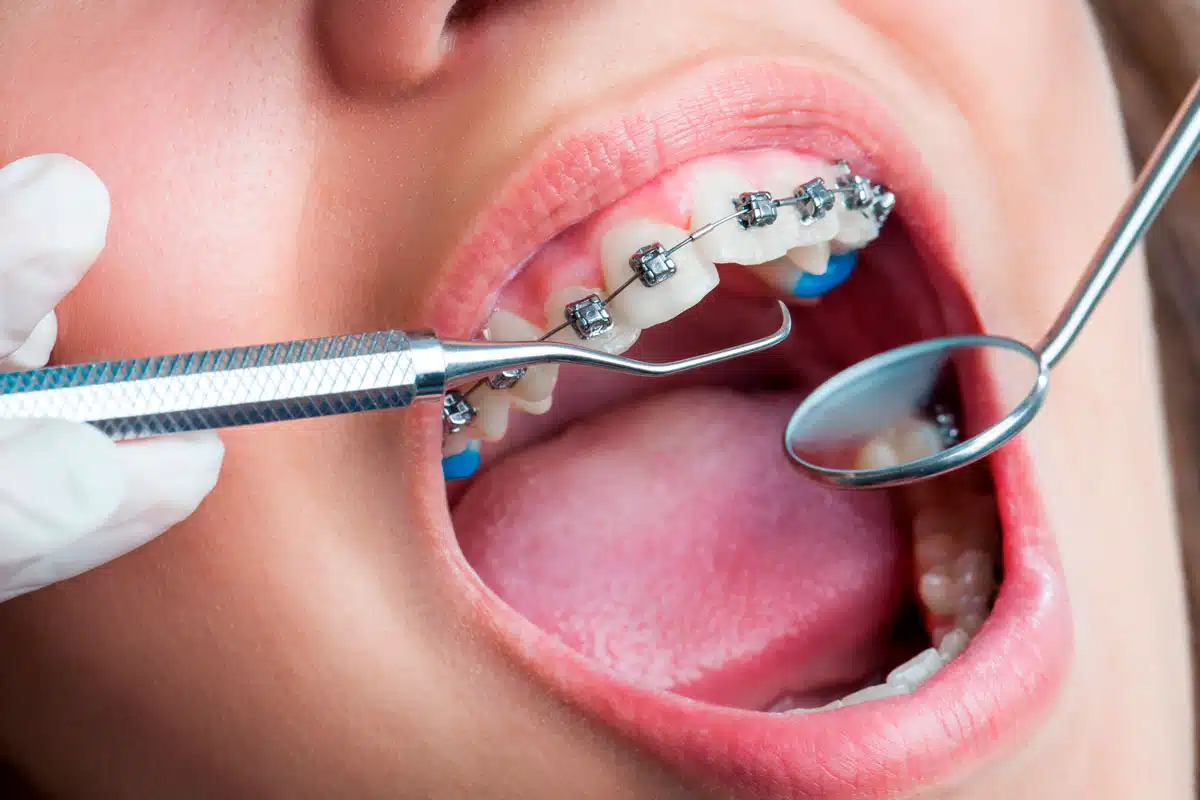
Ceramic braces are similar in design to metal braces but use brackets made of ceramic or porcelain instead of stainless steel. These brackets are either transparent or matched to the color of the patient’s teeth, significantly reducing visibility. The system is composed of:
Ceramic Brackets: Tooth-colored or clear, bonded to the front of each tooth.
Archwires: Can be metal or coated with a tooth-colored material for added discretion.
Ligatures: Small elastic bands that hold the wire in place, often available in clear or white to blend with the teeth.
This combination allows for effective orthodontic correction while maintaining a more natural-looking smile during treatment.
Advantages of Ceramic Braces
Patients choose ceramic braces for several compelling reasons:
Discreet Appearance: The brackets blend with teeth, making them less noticeable.
Effective for Complex Cases: Suitable for correcting misalignments, gaps, and bite issues just like metal braces.
Comfortable Edges: Ceramic brackets are typically smoother and less irritating to gums and cheeks.
Customizable Wires and Bands: Options for tooth-colored wires enhance aesthetic appeal.
Confidence During Treatment: Especially beneficial for adults and professionals who value appearance.
How Ceramic Braces Work
Like traditional braces, ceramic braces apply continuous, gentle pressure to shift teeth into alignment. The orthodontist adjusts the archwire at regular intervals, gradually moving the teeth into their correct positions. Over time, these small adjustments lead to a perfectly aligned bite and improved smile. The treatment process typically includes:
Initial Evaluation: A full examination with X-rays and dental impressions.
Bonding Brackets: Ceramic brackets are carefully placed on each tooth.
Wire Installation: Archwires are inserted and secured with ligatures.
Routine Adjustments: Wires are tightened or replaced to maintain movement.
Completion and Retention: Braces are removed once alignment goals are met, followed by retainer use.
Who Is a Candidate for Ceramic Braces?
Ceramic braces are an excellent option for patients who want an effective and subtle orthodontic treatment. They are ideal for:
Teenagers and Adults who are concerned about the aesthetic impact of braces.
Patients with Mild to Moderate Misalignments including crowding, spacing, overbites, and underbites.
Professionals who require a more discreet orthodontic option for work or social settings.
However, patients with very complex cases may still be recommended metal braces due to their superior strength.
Ceramic Braces vs. Metal Braces
When deciding between ceramic and metal braces, it is essential to weigh the key differences:
Appearance: Ceramic braces are tooth-colored and blend with teeth, while metal braces are more visible.
Durability: Metal braces are stronger and more resistant to breakage. Ceramic braces, though durable, can be slightly more fragile.
Comfort: Ceramic brackets are smoother and often cause less irritation.
Staining Potential: Ceramic braces may stain if patients consume dark-colored foods and drinks without proper care.
Cost: Ceramic braces are generally more expensive than metal braces.
For those seeking a discreet treatment without compromising results, ceramic braces are often the preferred choice.
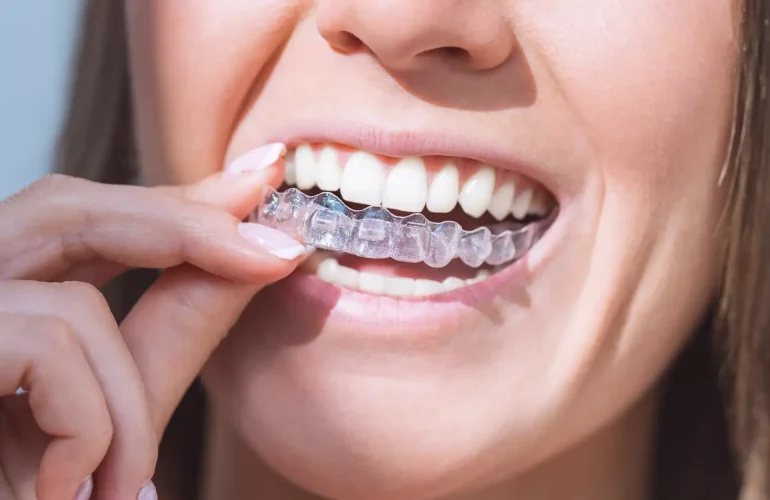
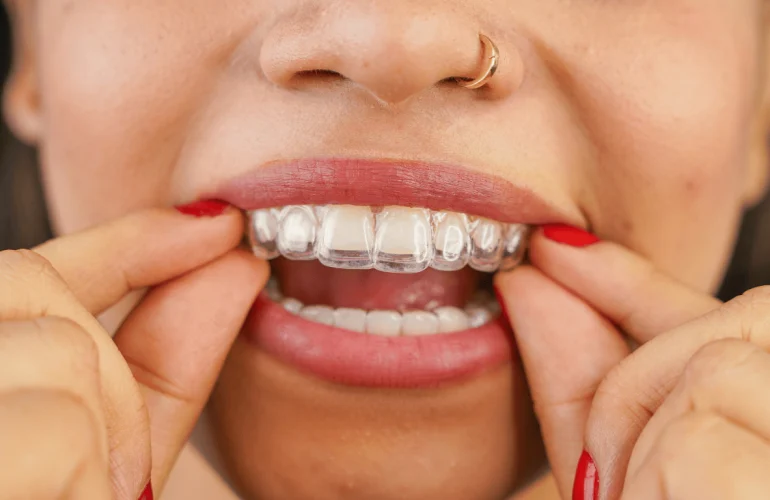
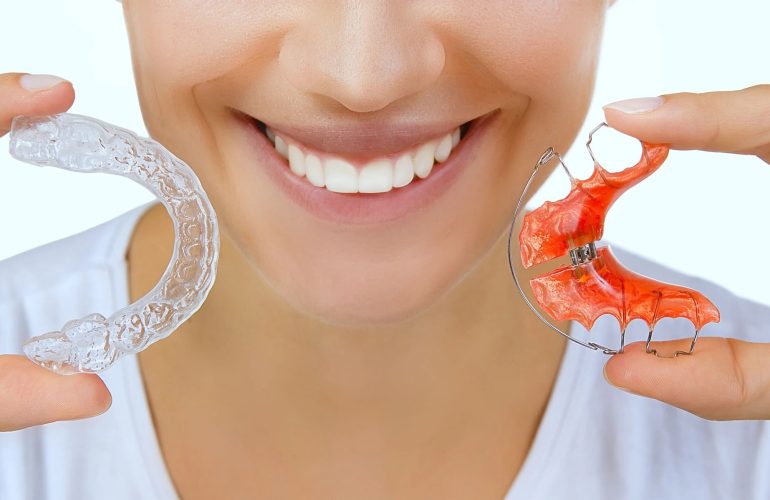
Ceramic Braces vs. Clear Aligners
Another common comparison is between ceramic braces and clear aligners:
Visibility: Clear aligners are virtually invisible, while ceramic braces are subtle but still slightly visible.
Compliance: Aligners require strict discipline since they must be worn 20–22 hours daily. Braces are fixed, ensuring consistent treatment.
Complexity of Treatment: Ceramic braces can treat more complex orthodontic issues than aligners.
Convenience: Aligners can be removed for eating and cleaning, while braces remain fixed.
For patients who want reliable, controlled tooth movement and a more aesthetic option than metal braces, ceramic braces are often the middle ground.
Treatment Duration with Ceramic Braces
The average treatment time for ceramic braces is 18 to 36 months, depending on the complexity of the case. Although they work as effectively as metal braces, treatment may sometimes take slightly longer due to the need for gentler adjustments to avoid bracket breakage. The orthodontist determines the timeline after evaluating the patient’s dental structure and treatment goals.
Cost of Ceramic Braces
The cost of ceramic braces typically ranges from $4,000 to $8,500, depending on:
Geographic location
Orthodontist’s expertise
Severity of misalignment
Treatment duration
Type of wires and ligatures used
Many orthodontic offices provide flexible payment plans and accept insurance coverage to help patients manage costs.
Caring for Ceramic Braces
Proper maintenance is crucial for patients with ceramic braces to ensure effectiveness and maintain aesthetics:
Brush and Floss After Meals: Prevents food particles from staining brackets and wires.
Avoid Staining Foods and Drinks: Minimize coffee, tea, red wine, and deeply pigmented foods.
Use Fluoride Mouthwash: Strengthens enamel and reduces the risk of cavities.
Attend Regular Check-Ups: Ensures wires and brackets remain intact.
Wear a Mouthguard for Sports: Protects braces and teeth during physical activities.
With consistent care, ceramic braces remain discreet and effective throughout treatment.
Common Concerns About Ceramic Braces
Do ceramic braces stain?
The brackets themselves resist staining, but ligatures can discolor if not replaced regularly.Are ceramic braces painful?
Patients may experience mild discomfort after adjustments, but ceramic brackets are generally smoother and less irritating than metal ones.Do they break easily?
While slightly more fragile than metal braces, ceramic brackets are designed to withstand normal chewing forces when cared for properly.Are ceramic braces as effective as metal braces?
Yes, they are equally effective for most orthodontic cases, though extremely severe issues may require metal braces.
Benefits Beyond Aesthetics
The advantages of ceramic braces extend beyond appearance. Some of these include:
Improved Dental Health: Straight teeth are easier to clean, reducing the risk of decay and gum disease.
Better Bite Alignment: Correcting malocclusions improves chewing, digestion, and speech.
Reduced Risk of TMJ Issues: Proper alignment can prevent jaw pain and discomfort.
Long-Term Confidence: Patients enjoy both a healthy bite and a confident smile.
Ceramic braces provide the perfect blend of aesthetics and effectiveness for patients seeking orthodontic treatment. They deliver the same results as traditional braces but with a more natural, less noticeable appearance, making them especially appealing for teenagers and adults. With proper care, regular check-ups, and adherence to treatment plans, patients can achieve a straighter smile and long-lasting oral health benefits.