Braces treatment is an orthodontic method applied to achieve an ideal aesthetic and functional alignment of the teeth and jaw structure. It is preferred to correct crooked teeth, fix jaw irregularities, and protect oral health. In big cities like Ankara, the demand for orthodontic treatments is increasing every year, both for health and aesthetic reasons.
The cost of braces in Ankara varies depending on the material used, treatment duration, clinic location, and the orthodontist’s experience. As of 2025, the average price ranges are as follows:
| Type of Braces | Price Range (₺) |
|---|---|
| Metal Braces | 50,000 – 85,000 |
| Ceramic (Porcelain) Braces | 25,000 – 35,000 |
| Lingual (Invisible) Braces | 35,000 – 45,000 |
| Clear Aligners (Invisalign) | 90,000 – 140,000 |
Note: These prices are average estimates for 2025. Exact costs may vary between clinics. For precise information, it is necessary to consult a specialist orthodontist.
Types of Braces and Their Features
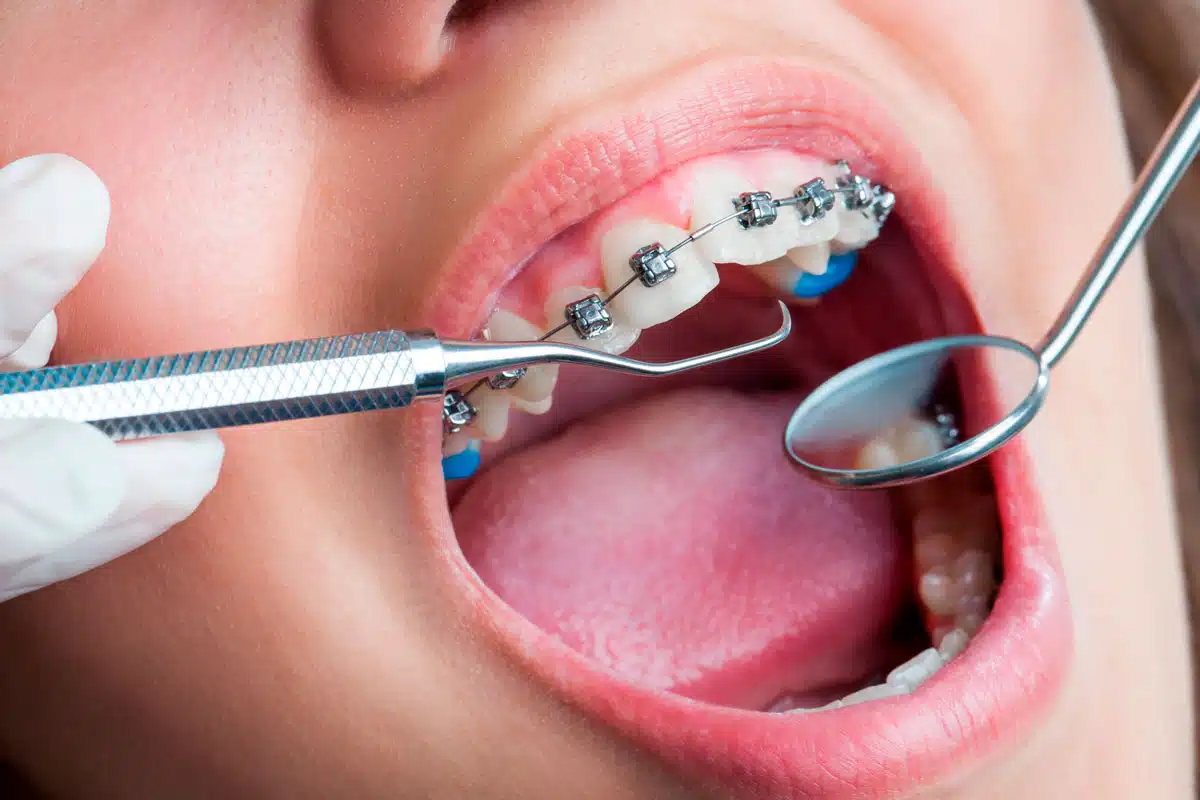
1. Metal Braces
The most common and affordable option. They are durable and provide fast results. Ideal for younger patients or those without aesthetic concerns.
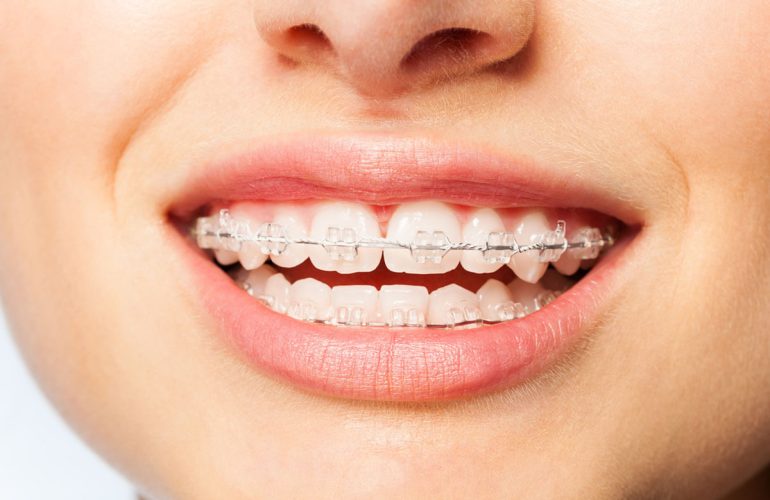
2. Ceramic Braces
Made of tooth-colored ceramic brackets, making them less visible compared to metal braces. They are often preferred by adults with aesthetic concerns but are slightly more expensive. Ceramic Braces
3. Lingual Braces (Invisible Braces)
Applied to the back of the teeth, making them completely invisible from the outside. While aesthetically the most advantageous, they are harder to apply and more costly. Lingual Braces
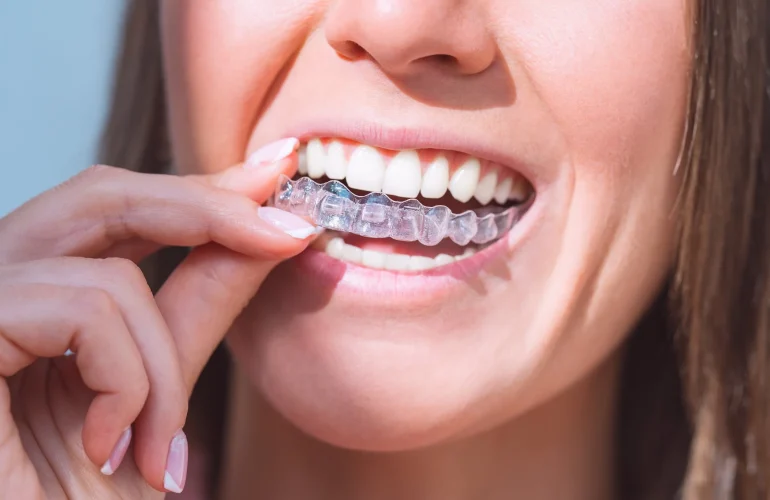
4. Clear Aligners (Invisalign)
Custom-made transparent aligners produced with digital orthodontic technology. They align teeth gradually and comfortably. They are almost unnoticeable in daily life. Clear Aligners
Advantages of Braces Treatment in Ankara
Easy access to specialist orthodontists
Options between university hospitals and private clinics
Technologically equipped dental clinics
Flexible pricing and payment plans
High standards of safety and hygiene
How Long Does Braces Treatment Take?
On average, orthodontic treatment lasts 12 – 24 months. However, depending on the patient’s age, dental structure, treatment type, and discipline, the duration may vary from 6 to 36 months.
Things to Consider After Getting Braces
Avoid sticky and hard foods
Pay extra attention to oral hygiene
Do not skip orthodontist check-ups
Visit your doctor immediately in case of pain or wire breakage
Use dental floss and special orthodontic toothbrushes during treatment
Factors Affecting Braces Prices
Type of Braces – Metal is the most affordable, while lingual braces and clear aligners are the most expensive.
Treatment Duration – Longer treatments usually mean higher costs.
Orthodontist’s Experience – Renowned specialists may charge higher fees.
Additional Services – Some clinics include digital scans, cleaning, or whitening in their packages.
Is Getting Braces Worth It?
Braces are considered not only an aesthetic investment but also an essential step for oral and functional health. Early orthodontic treatments can prevent gum problems and jaw issues in the future, saving both time and money. Thanks to technological improvements, treatment has become shorter, more comfortable, and more aesthetic than ever.
Frequently Asked Questions (FAQ)
1. Is getting braces painful?
You may feel slight discomfort during the first days, but it quickly fades. Modern braces are more comfortable.
2. Will braces affect my speech?
Only lingual braces may cause a short adjustment period. Generally, braces do not significantly affect speech.
3. Can adults get braces?
Yes, orthodontic treatment can be applied at any age. Adult orthodontics is very common today.
4. Will my teeth move back after braces?
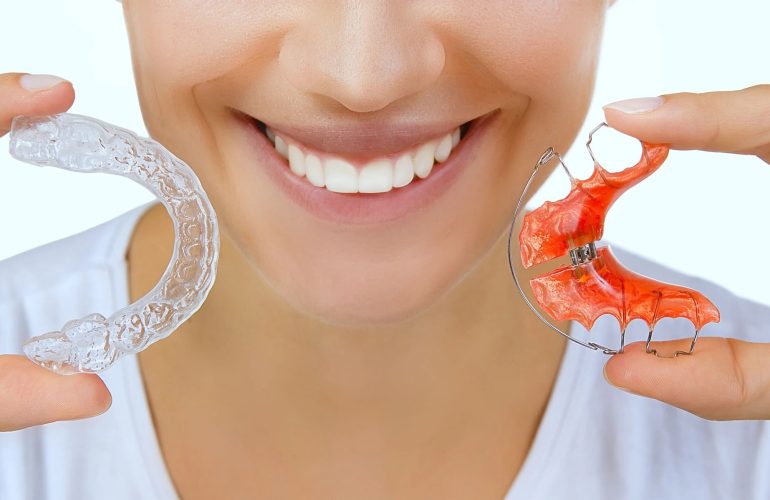
If a retainer (protective aligner) is not used, teeth may shift back over time. Wearing a retainer is crucial after treatment.
In 2025, braces prices in Ankara vary depending on the treatment type, patient needs, and clinic preference. For a healthy and aesthetic smile, proper orthodontic planning, choosing an experienced orthodontist, and regular follow-ups are key to success.