Full mouth implants represent the pinnacle of modern dental restoration, offering patients with extensive tooth loss a solution that restores function, aesthetics, and long-term oral health. Unlike traditional dentures or partial implants, full mouth implants provide a permanent, stable, and natural-looking solution, allowing patients to regain confidence, chewing efficiency, and a radiant smile. This comprehensive guide examines the types, procedures, benefits, and considerations associated with full mouth implants, providing detailed insights for both patients and dental professionals.
Understanding Full Mouth Implants
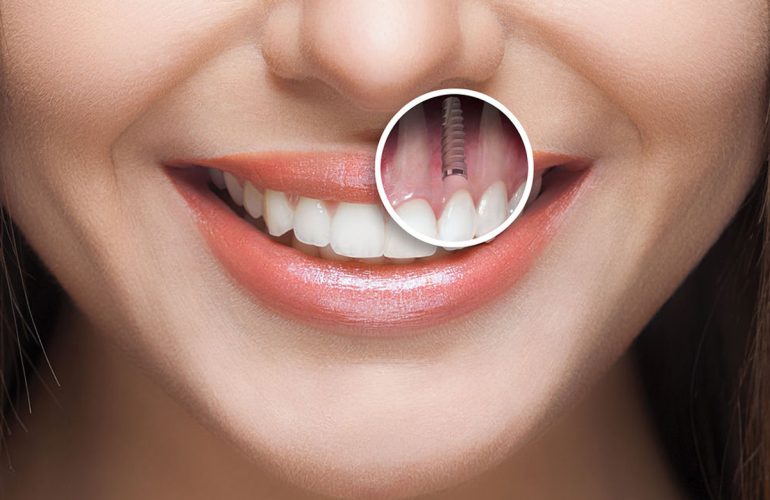
Full mouth implants refer to a dental restoration method in which all missing teeth in the upper, lower, or both arches are replaced using a series of dental implants. These implants serve as artificial tooth roots, anchoring fixed prosthetic teeth to the jawbone, providing stability and long-term durability.
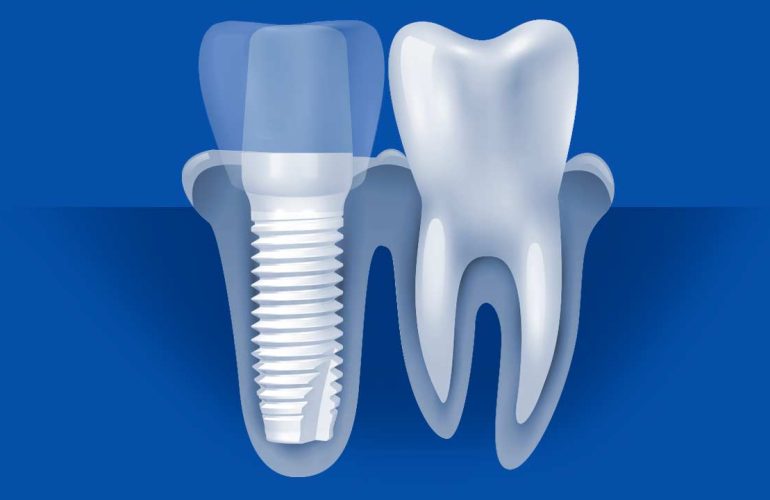
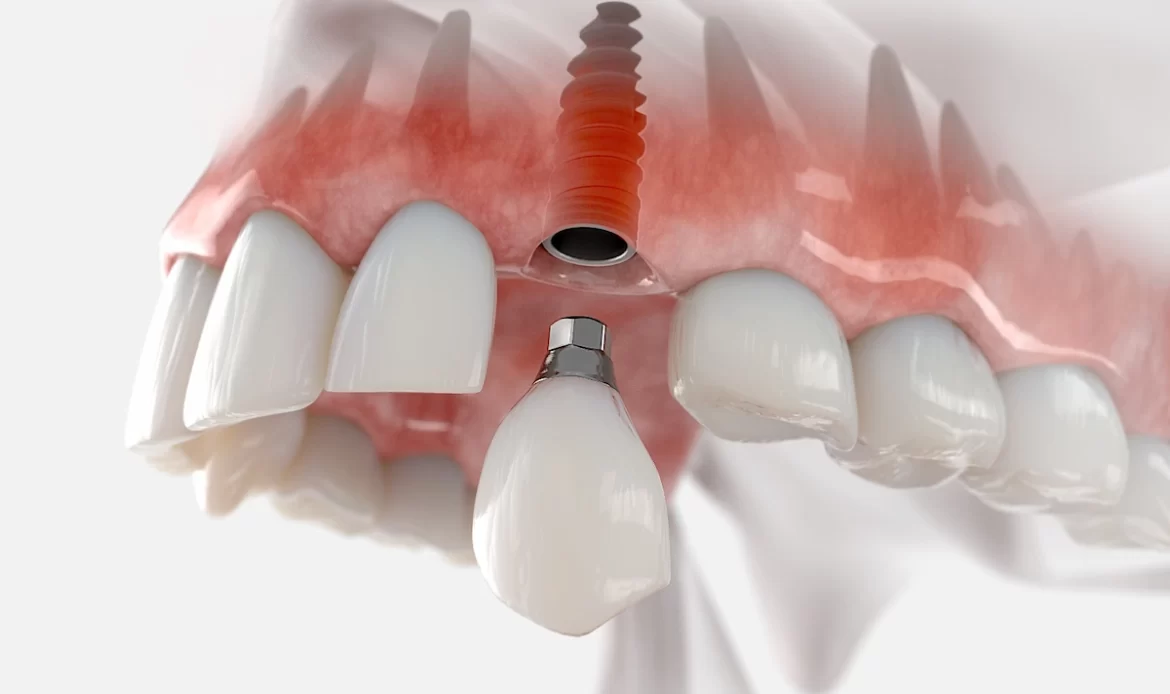
Key Components
Dental Implants: Titanium or zirconia posts surgically placed into the jawbone to mimic natural tooth roots.
Abutments: Connectors that attach the prosthetic teeth to the implants.
Prosthetic Teeth: Custom-made crowns, bridges, or hybrid dentures designed to restore aesthetics and function.
Full mouth implants can be tailored to individual patient needs, whether through fixed hybrid bridges, implant-supported overdentures, or all-on-four/all-on-six techniques.
Types of Full Mouth Implant Solutions
1. All-on-4 Implants
Involves placement of four strategically angled implants per arch.
Designed to maximize use of available bone, reducing the need for bone grafts.
Allows for immediate loading, providing temporary teeth on the same day as surgery.
2. All-on-6 Implants
Six implants per arch provide increased stability, ideal for patients with higher bite forces or full-arch prosthetic demands.
Offers superior long-term support for larger restorations.
3. Implant-Supported Hybrid Dentures
Combines fixed implants with a removable denture framework.
Provides aesthetic and functional advantages while allowing easier maintenance.
4. Zirconia or Titanium Full-Arch Implants
Titanium implants offer proven strength and osseointegration.
Zirconia implants provide metal-free, hypoallergenic options with superior aesthetics.
The Full Mouth Implant Procedure: Step-by-Step
1. Initial Consultation and Assessment
Comprehensive evaluation of oral health, bone density, and jaw alignment.
3D imaging with CBCT scans to plan implant placement and avoid critical anatomical structures.
Customization of a treatment plan based on patient-specific factors and desired outcomes.
2. Bone Grafting and Preparation (if needed)
Bone grafts or sinus lifts may be required for patients with insufficient bone volume.
Ensures optimal implant stability and long-term success.
3. Implant Placement
Implants are surgically inserted into the jawbone at precise locations.
Use of guided surgical techniques enhances accuracy and reduces recovery time.
Placement may be immediate or staged, depending on bone quality and overall treatment plan.
4. Temporary Prosthesis
Temporary teeth are often placed immediately to restore function and aesthetics during healing.
Ensures patients maintain speech, chewing ability, and confidence.
5. Healing and Osseointegration
Osseointegration, the process by which bone fuses with the implant, typically takes 3–6 months.
Regular monitoring ensures proper integration and soft tissue health.
6. Final Prosthetic Restoration
Custom-made prosthetic teeth are fabricated to match the patient’s natural dentition.
Fixed bridges, hybrid dentures, or implant-supported overdentures are secured to implants.
Final adjustments ensure optimal bite, aesthetics, and comfort.
Advantages of Full Mouth Implants
1. Permanent and Stable Solution
Unlike conventional dentures, full mouth implants remain securely in place.
Eliminates the need for adhesives or frequent adjustments.
Allows patients to chew, speak, and smile confidently.
2. Preservation of Jawbone and Facial Structure
Implants stimulate the jawbone, preventing bone resorption and facial sagging.
Helps maintain natural facial contours and prevents premature aging.
3. Enhanced Functionality and Comfort
Restores full chewing efficiency, enabling a balanced diet.
Eliminates gum irritation and discomfort associated with removable dentures.
Provides natural tooth-like feel and improved oral biomechanics.
4. Superior Aesthetics
Custom-designed prosthetic teeth ensure a natural, harmonious smile.
Implant-supported restorations prevent the sunken appearance often caused by tooth loss.
Options like zirconia implants enhance aesthetic outcomes, especially in the anterior region.
5. Improved Oral Health
Full mouth implants allow for easier cleaning and maintenance compared to traditional dentures.
Reduced risk of gum disease and bone loss in areas surrounding the implants.
Helps preserve remaining natural teeth in partially edentulous patients.
6. Long-Term Predictability
High success rates when placed by experienced clinicians with proper case planning.
Durable materials, such as titanium and zirconia, provide long-lasting results.
Minimal complications with regular follow-ups and maintenance.
Patient Considerations and Candidacy
Not all patients are immediately suitable for full mouth implants. Ideal candidates typically:
Have sufficient bone density or are willing to undergo grafting procedures.
Are free from uncontrolled systemic conditions like diabetes or immunosuppressive disorders.
Exhibit good oral hygiene habits and commit to regular dental care.
Desire a permanent, fixed solution over removable dentures.
Patients with significant bone loss, bruxism, or severe periodontal disease may require preliminary interventions to optimize outcomes.
Technological Advancements Enhancing Full Mouth Implants
Modern dentistry has introduced digital workflows that improve precision and predictability for full mouth implants:
3D CBCT imaging allows for accurate mapping of bone anatomy.
CAD/CAM technology enables fabrication of custom prosthetics for optimal fit and aesthetics.
Guided implant surgery ensures precise placement, minimizing risks to nerves and sinuses.
Immediate loading protocols reduce treatment time, allowing faster restoration of function.
These advancements contribute to higher success rates, reduced complications, and superior patient satisfaction.
Post-Operative Care and Maintenance
Proper maintenance is essential for long-term success of full mouth implants:
Daily oral hygiene including brushing, flossing, and antimicrobial rinses.
Regular dental check-ups to monitor implant health and soft tissue integration.
Avoiding hard or excessively sticky foods in the early healing phase.
Use of night guards in patients with bruxism to protect the prosthetic restoration.
With diligent care, full mouth implants can provide decades of reliable function and aesthetics.
Full mouth implants offer an unparalleled solution for patients with extensive tooth loss, providing permanent stability, superior aesthetics, and restored oral function. By leveraging modern materials, precise surgical techniques, and advanced prosthetics, these implants enable patients to regain confidence, maintain oral health, and enjoy a natural smile.
With proper evaluation, planning, and post-operative care, full mouth implants deliver predictable, long-lasting results, making them the preferred choice for complete dental rehabilitation.