When it comes to orthodontic treatments, metal braces remain one of the most reliable and widely used solutions for correcting dental misalignments. Despite the rise of alternatives like ceramic braces and clear aligners, traditional metal braces continue to deliver consistent, predictable, and long-lasting results. They are particularly effective for complex cases where precise control of tooth movement is essential. In this comprehensive guide, we will cover everything you need to know about metal braces, including their design, benefits, treatment process, cost, and aftercare.
What Are Metal Braces?
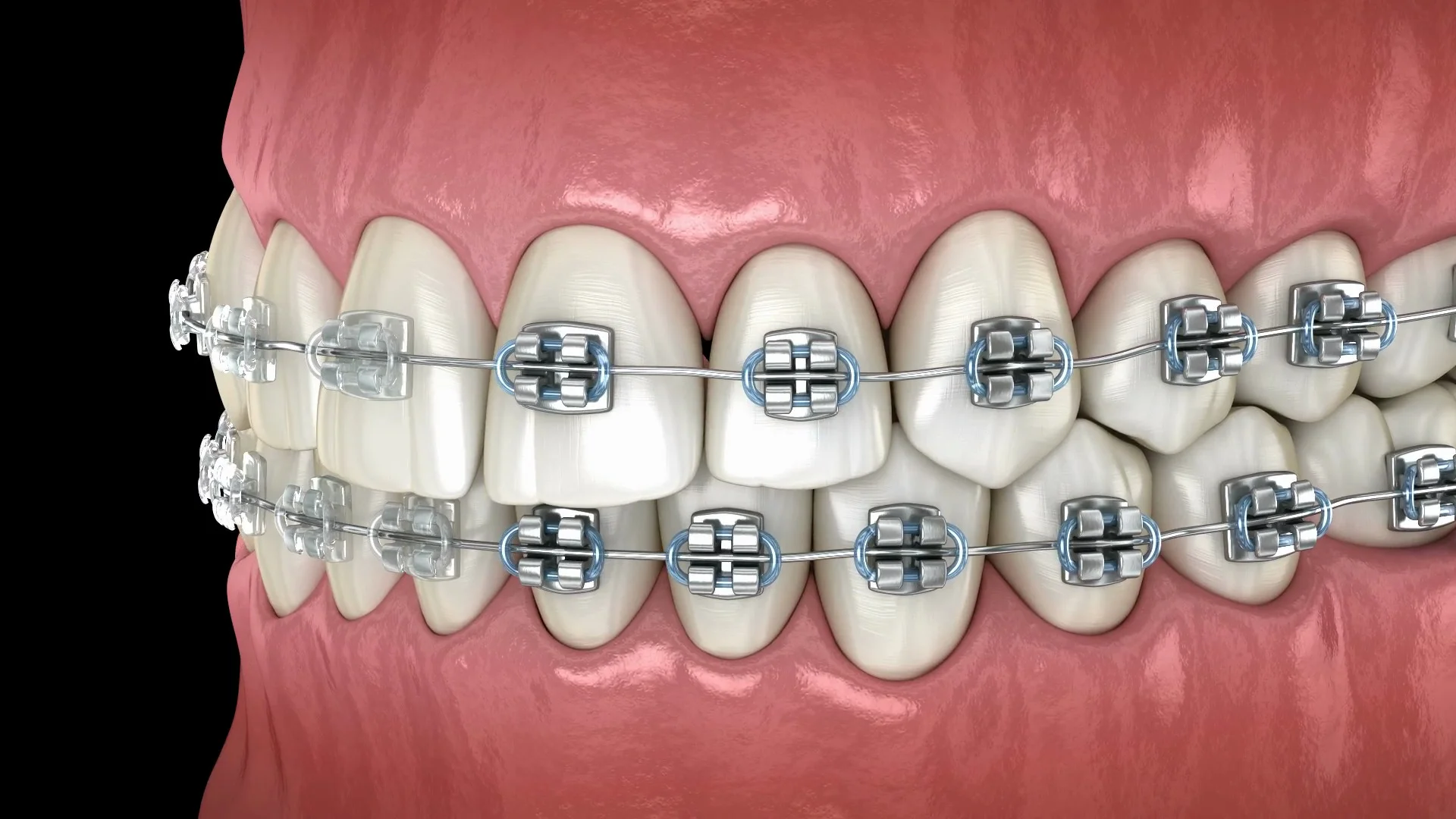
Metal braces are orthodontic devices composed of high-grade stainless steel. They consist of three main components:
Brackets: Small square-shaped pieces bonded directly to each tooth.
Archwires: Thin wires that connect the brackets and apply gentle pressure to move the teeth.
Elastic Bands or Ligatures: Small rubber bands that secure the archwire to the brackets.
This system works together to gradually shift teeth into their correct positions, improving both function and aesthetics. The stainless steel design makes them durable, efficient, and cost-effective, which is why they remain a leading choice in orthodontics.
Why Choose Metal Braces?
Choosing metal braces comes with several advantages:
Strong and Durable: Resistant to breakage and ideal for younger patients or those with active lifestyles.
Effective for Severe Cases: Suitable for correcting overcrowding, gaps, overbites, underbites, and crossbites.
Precise Tooth Movement: Allows orthodontists maximum control in directing tooth shifts.
Affordable Option: Typically less expensive than ceramic braces or clear aligners.
Customizable: Patients can choose different colored elastic bands for personalization.
For many individuals, especially teenagers, this ability to personalize with colors makes the treatment journey more enjoyable.
How Do Metal Braces Work?
The mechanics of metal braces are based on constant, gentle pressure. When the orthodontist places the brackets and connects them with an archwire, the wire naturally wants to return to its original shape. As it does, it exerts steady force on the teeth, slowly moving them into alignment. Over time, the orthodontist will adjust the wires and sometimes replace them with stronger ones to maintain progress until the teeth are perfectly aligned.
The Treatment Process for Metal Braces
Initial Consultation: An orthodontic evaluation with X-rays, photographs, and impressions to create a customized treatment plan.
Placement of Braces: Brackets are bonded to the teeth, and archwires are attached with elastics.
Adjustments: Regular appointments (usually every 4–6 weeks) where wires are tightened or replaced.
Progress Monitoring: Orthodontists ensure that teeth are shifting properly and adjust treatment as needed.
Debonding: Once alignment goals are reached, braces are removed.
Retention Phase: Patients receive a retainer to maintain the corrected position of their teeth.
Treatment duration varies but typically lasts 18 to 30 months, depending on the complexity of the case.
Who Needs Metal Braces?
Metal braces are recommended for patients experiencing:
Crowded Teeth
Overbites or Underbites
Open Bites or Crossbites
Large Gaps Between Teeth
Jaw Misalignment Issues
Both children and adults can benefit from metal braces. While many patients start orthodontic treatment during adolescence, an increasing number of adults are now opting for braces to improve their oral health and smile aesthetics.
Metal Braces vs. Ceramic Braces vs. Clear Aligners
When comparing different orthodontic treatments, it’s important to understand the key differences:
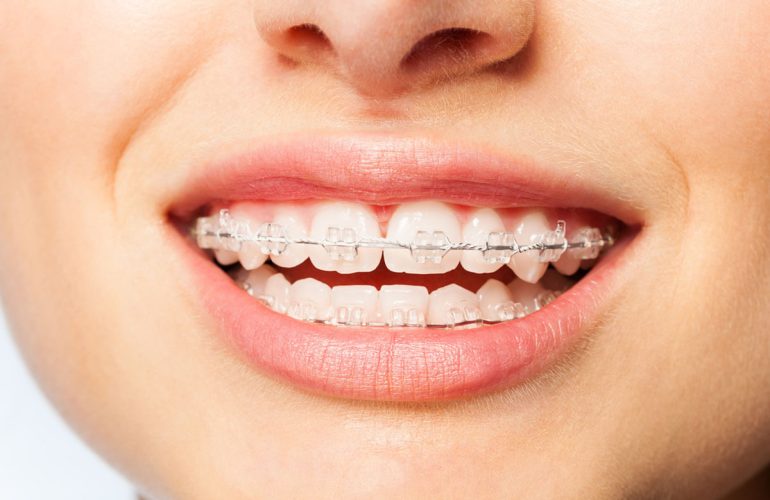
Metal Braces: Strongest, most durable, and most affordable. Visible on teeth but effective for all cases.
Ceramic Braces: Less noticeable than metal but more fragile. Often more expensive.
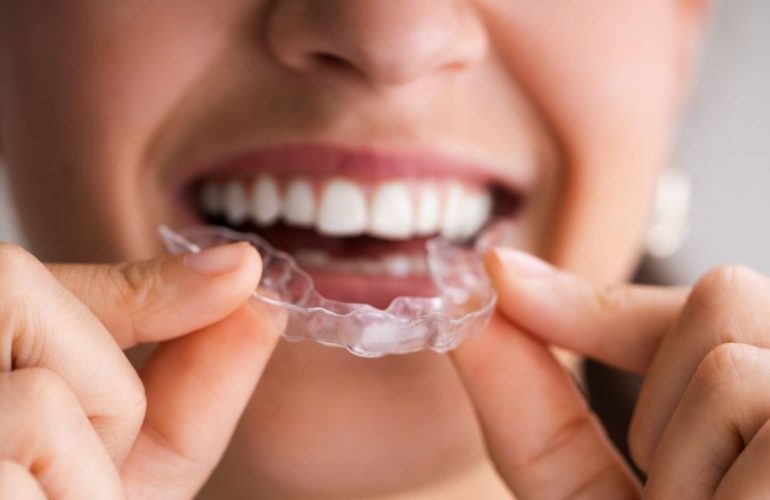
Clear Aligners (e.g., Invisalign): Nearly invisible, removable, and convenient, but not ideal for complex cases.
For patients who prioritize effectiveness and budget, metal braces are often the best choice.
Cost of Metal Braces
The cost of metal braces can vary depending on several factors:
Geographic Location
Complexity of the Case
Orthodontist’s Expertise
Duration of Treatment
On average, metal braces cost between $3,000 and $7,000. Many orthodontic clinics offer payment plans or insurance coverage to make treatment more accessible.
Caring for Metal Braces
Proper care is essential to ensure the success of orthodontic treatment. Patients should:
Brush and Floss Regularly: Use a soft-bristled toothbrush, fluoride toothpaste, and floss threaders.
Avoid Sticky and Hard Foods: Chewing gum, caramel, popcorn, and hard candies can damage brackets and wires.
Wear a Mouthguard: Recommended for patients who play sports to protect both teeth and braces.
Attend All Appointments: Consistent check-ups ensure smooth progress and timely adjustments.
Good oral hygiene and responsible care reduce the risk of cavities, gum disease, and extended treatment time.
Common Myths About Metal Braces
Myth: Braces are only for kids.
Fact: More adults are getting braces than ever before.Myth: Metal braces are painful.
Fact: There may be mild discomfort at first, but modern braces are much more comfortable than in the past.Myth: Braces take forever to work.
Fact: Most treatments are completed within 18–30 months.Myth: Braces cause tooth damage.
Fact: With proper oral hygiene, braces actually protect long-term dental health.
Benefits Beyond Aesthetics
While many patients seek braces for a straighter smile, the benefits of metal braces go far beyond cosmetic appeal:
Improved Oral Health: Aligned teeth are easier to clean, reducing the risk of decay and gum disease.
Better Bite Function: Corrects chewing and speaking difficulties caused by misaligned teeth.
Jaw Alignment: Prevents future complications such as temporomandibular joint (TMJ) disorders.
Increased Confidence: A healthy, straight smile significantly boosts self-esteem.
Metal braces have stood the test of time as the most reliable, durable, and effective orthodontic treatment for correcting dental misalignments. They provide orthodontists with precise control, making them suitable for both mild and severe cases. With proper care, consistent follow-ups, and commitment to treatment, patients can achieve not only a beautiful smile but also lasting improvements in their oral health and quality of life.